Garifuna Drumming Workshop Belize

Garifuna Drumming Workshop Belize

Garifuna Drumming Workshop Belize

Most families arrive in Belize expecting "culture" to be a quick market stop, a photo with a carved mask, then back to the reef. But the moments kids remember are the ones where they get to do the thing: loud, sweaty, slightly chaotic, and somehow meaningful.

A Garifuna drumming workshop for families is exactly that. It's a hands-on session where you and your children learn core punta rhythms on traditional drums, pick up call-and-response cues that hold the music together, and usually get pulled into dancing, singing, and stories, sometimes even food, depending on the facilitator and the village. It's equal parts fun and education, and it lands differently because you're learning inside a living community, not watching a "cultural night" staged for a cocktail crowd.

Belize is touristy in spots, yes, but not in that sealed-off resort way. If you aim your trip just a little off the main routes, you still hit places where local life isn't performing for you. That's why a drumming workshop works so well here. It doesn't feel like a gimmick. It feels like you arrived somewhere real.

What Happens in a Family Session?
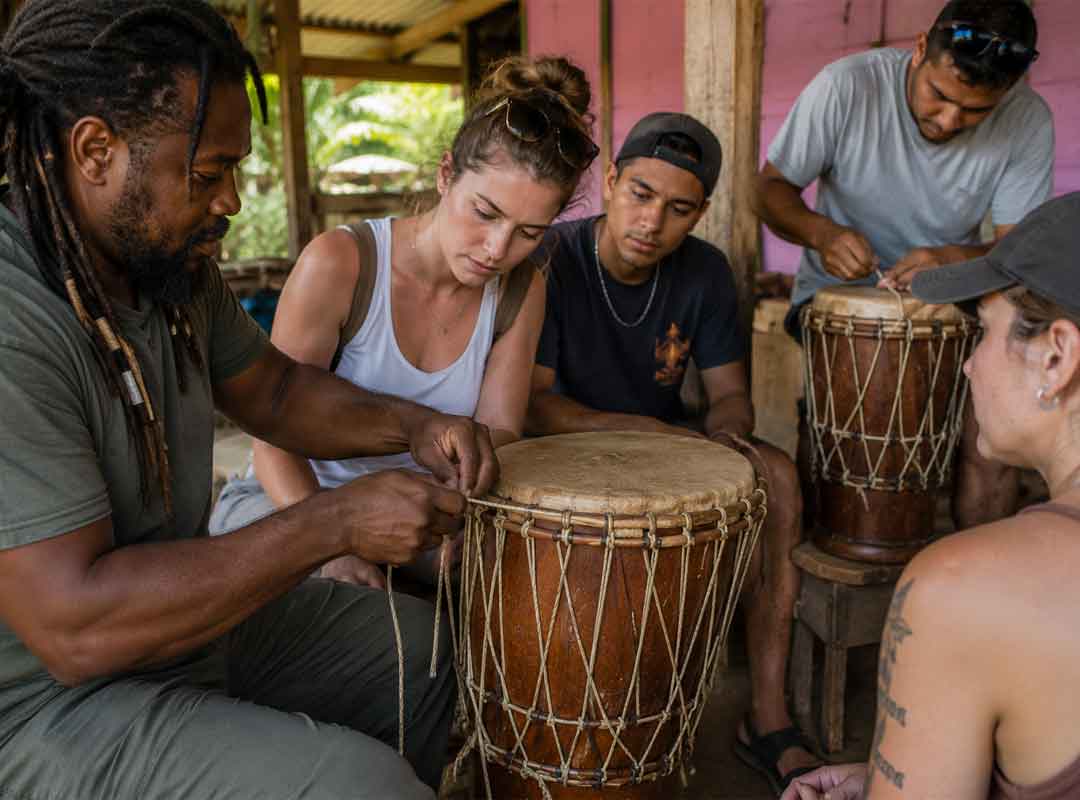
 

Participants learning traditional drum construction with local artisans during a hands-on Garifuna Drumming Workshop, Belize, surrounded by natural materials and a tropical cultural setting.

Welcome and Context

Most sessions start the same way: greetings, names, a bit of laughter at who looks nervous. Then the facilitator frames what you're about to touch, not a "history class" exactly, but a genuine introduction: who we are, why the drumbeat matters, why punta is more than the catchy rhythm you heard at a beach bar.

You'll hear about the Garifuna people as a Caribbean and Central American story,  St. Vincent in the background, forced displacement, settlement, survival, and how music became a kind of portable home. If you're lucky, the teacher will mention Garifuna Settlement Day and what celebrations look like when they're for community first, visitors second. You're not being guilt-tripped. You're being oriented.

For a clean starting point before you go, the Belize Tourism Board's page on the Warasa Garifuna Drum School lays out the usual mix of drumming, dancing, and cooking lessons.

Hands-On Rhythm Practice

Then the hands get busy. Primero and Segunda drums appear, and you feel the difference fast. The bass sits in your chest. The higher voice cuts through, sharp and talkative. Some workshops add maracas and a small-drum circle feel, but it stays rooted in traditional Garifuna drumming rather than becoming a generic wellness session.

You'll normally be guided through three practical steps:

  • How to sit and hold the drum so your wrists don't hate you the next day.
  • Where the main beats live in Punta, so you stop chasing the rhythm like it's a runaway chicken.
  • How to listen for cues, because ensemble timing is the secret sauce.

The teaching style matters. The best facilitators correct without shaming, especially with kids. That patience shows up in traveler feedback too, including multi-generational reviews of the family drumming lesson in Punta Gorda, where even the "rhythm-challenged" end up smiling.

Dance, Song, and Food Options

A pure drumming class can run 60 to 90 minutes and still feel full. But many facilitators layer in dance because punta isn't meant to sit still. Kids usually click with the footwork faster than adults do, humbling but good for the soul.

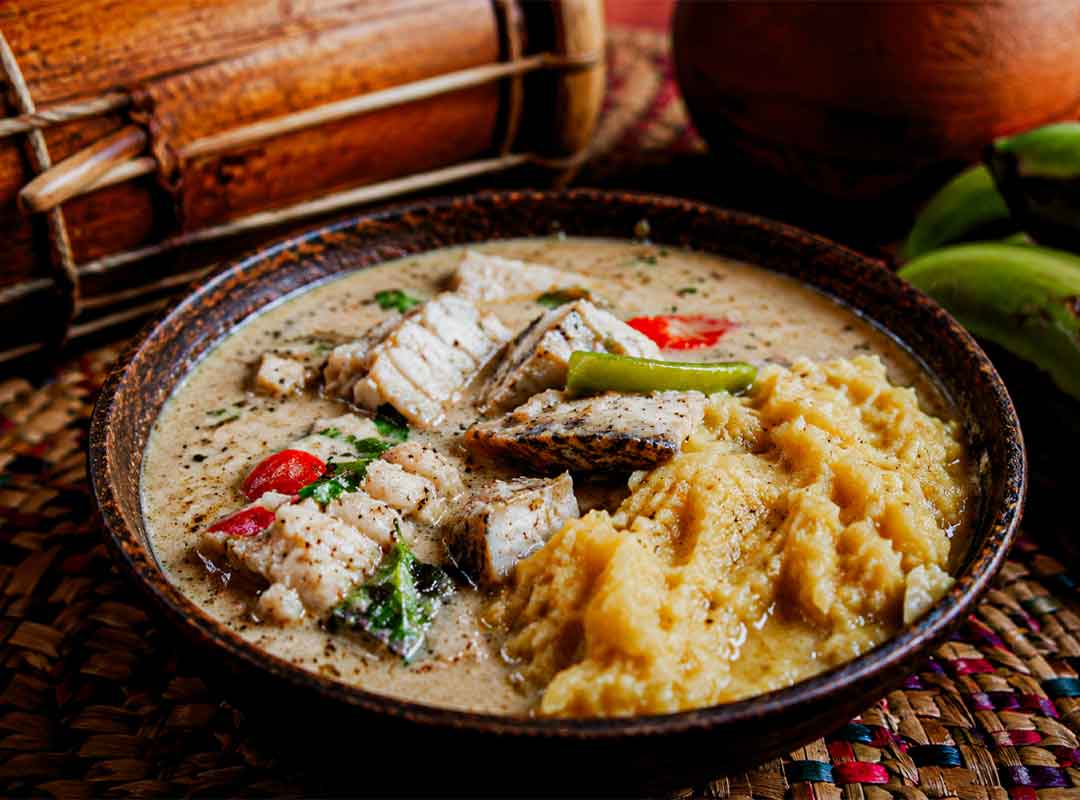
Some sessions add singing, short Garifuna phrases, and a bit of storytelling. Others go bigger: drum making, then drumming, then dancing, then dinner. If hudut lands on the table, a rich coconut fish stew with mashed plantain,  you're in for the kind of meal that earns that satisfied quiet after a day that used your whole body.

Hopkins has excellent eco-cultural options too, like hands-on workshops at the Palmento Grove cultural center, where heritage sits front and center, not hidden behind a souvenir counter.


What Will Kids and Adults Learn?
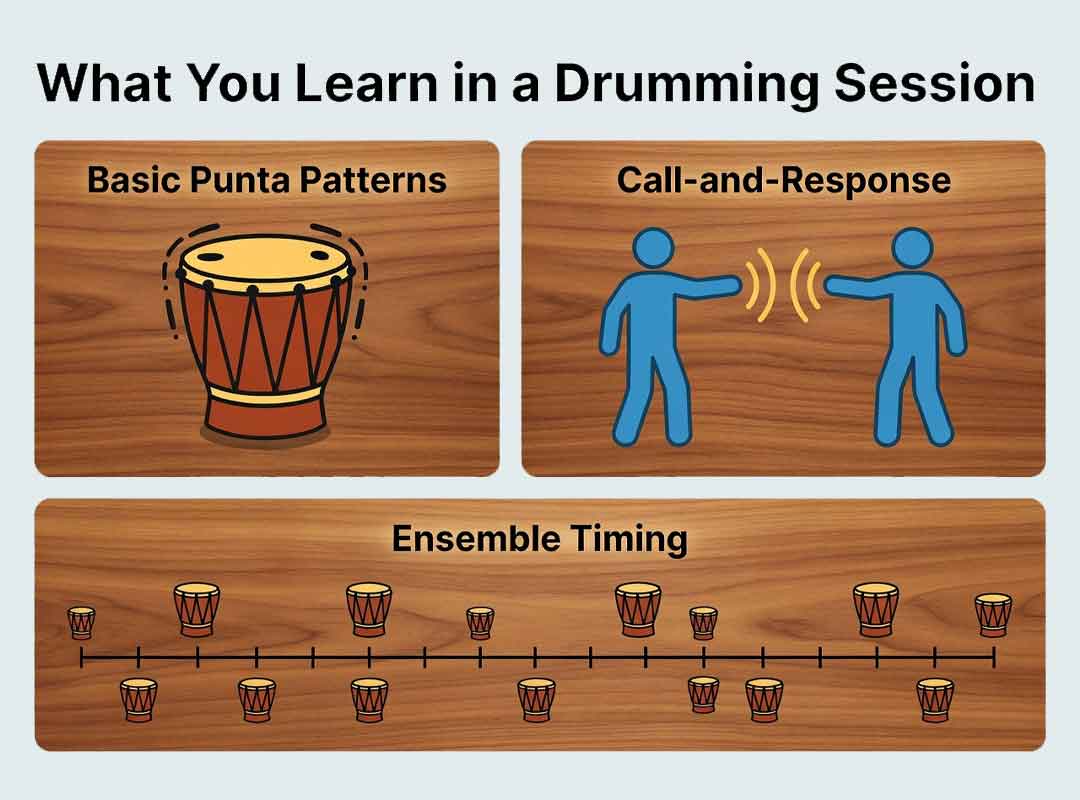
Chart illustrating a Learn Drumming Session during a Garifuna Drumming Workshop, Belize, featuring participants practicing traditional rhythms with local cultural instructors in a tropical coastal setting.

Basic Punta Patterns

Kids learn punta by feeling it. Adults try to count. Both approaches work, eventually. Punta patterns start with a simple base, then add the subtle accents that make it sound like actual Garifuna music rather than random tapping.

You'll also learn how the Segunda holds a repeating foundation while the Primero plays phrases over top,  almost like a conversation. That's why a single tradition can feel so alive: it's structured, but it breathes.

Call-and-Response Cues

Call-and-response is where families lock in together. Someone leads, someone answers. You learn to watch shoulders, hands, eyebrows,  whatever the leader uses to signal the change. It's also where shy kids tend to pop out of their shells, because they have permission to respond as part of a group.

A good facilitator explains that this isn't just "music technique",  it's community logic. The same logic shows up in parades, festivals, and the way folks organize celebrations without needing a stage manager.

Simple Ensemble Timing

Ensemble timing is the part that people underestimate. You can hit the drum hard all you want and still sound messy if you rush. Most workshops teach you to sit inside the beat, listen across the circle, and keep your own lane. By the end, beginners usually manage a short group piece that actually sounds like something. Not perfect. Real. Enough to make you want to keep going on the ride back to your lodge.


Choose the Right Place in Belize
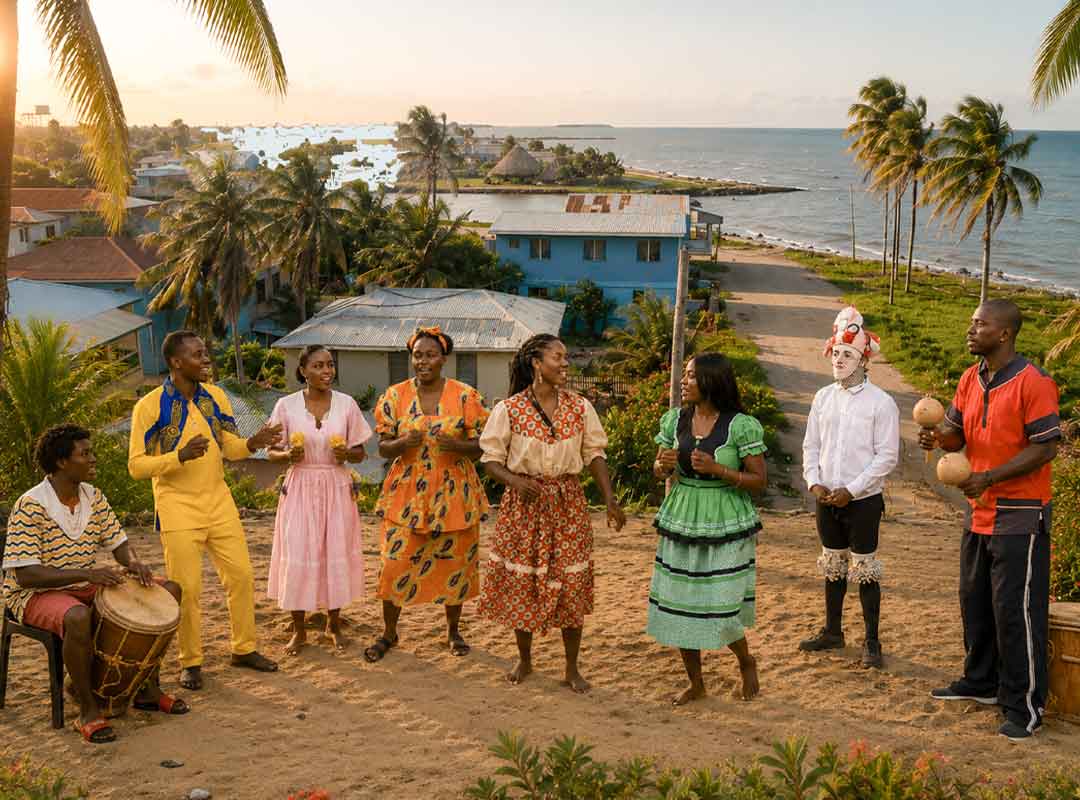
Garifuna drummers and dancers performing on a tropical Belizean coastline at sunset, surrounded by palm trees and seaside village scenery during a traditional Garifuna Drumming Workshop, Belize.

Punta Gorda and Toledo

Punta Gorda, down in Toledo, has a reputation for feeling grounded,  not glossy. It's a strong choice for families who want authentic Garifuna drumming tied to community life, not a one-off tour. Warasa Drum School is the most talked-about provider, and you can browse their details before you arrive.

Toledo pairs well with nature-forward travel: cacao farms, river days, village meals. Easy to build a trip that doesn't feel rushed.

Hopkins and Stann Creek

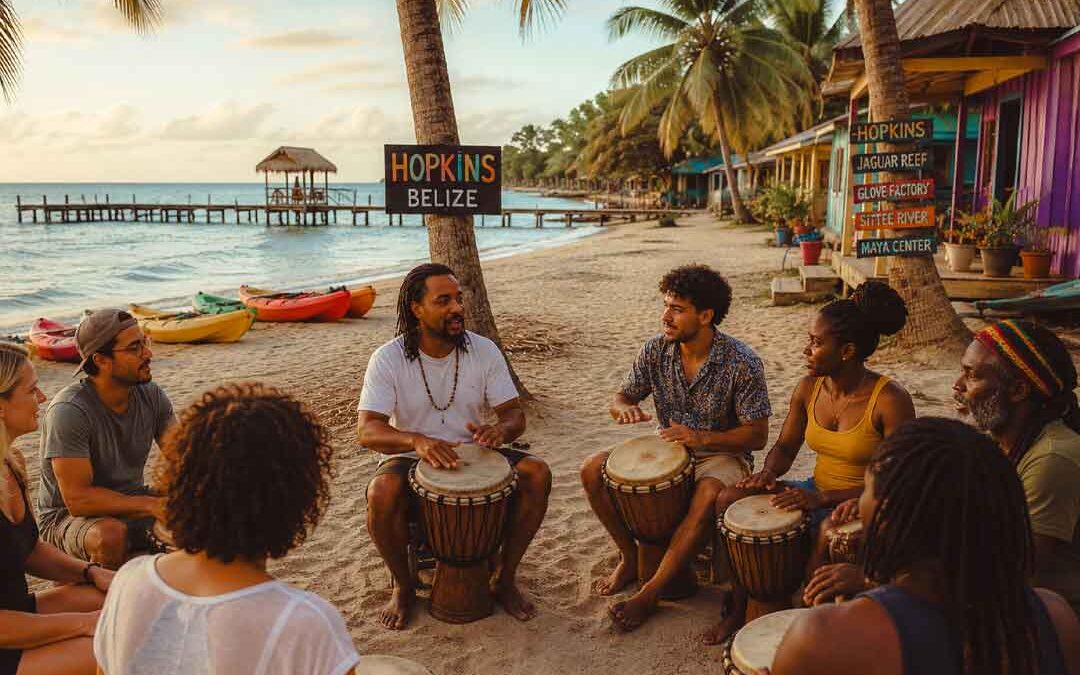
Hopkins is the "easy yes" for many families: accessible and walkable, with the option to stack your drumming session with beach time, kayaking, and village dinners. The Lebeha Drumming Center has been part of Hopkins' music scene since the early 2000s and remains a trusted choice.

Placencia, Belize City, and the Cayes

Placencia and the cayes work if your family is reef-first and culture-second, but still wants one genuine experience to balance the trip. San Pedro sometimes offers shorter "sunset dinner"- style sessions, 90 minutes over the water, that fit neatly into a beach-heavy itinerary.

Belize City is usually a pass for families unless you have a specific reason to be there.

Location Best for Typical vibe Good add-ons
Punta Gorda, Toledo Deep community feel, slower tempo Less polished, more local Cacao, village meals, forest day trips
Hopkins, Stann Creek Convenience plus strong Garifuna culture Beach village, friendly, musical Kayaking, easy day tours, relaxed nights
Placencia / Cayes Tight schedules, reef-first families More tourist flow Snorkeling, island days, dinner events


Plan the Session Details

Traditional Garifuna hudut dish with coconut fish stew and mashed plantain served in a rustic bowl during a cultural Garifuna Drumming Workshop, Belize, surrounded by tropical textures and authentic Caribbean

Length and Scheduling

Most family sessions run 60 to 120 minutes. Full-day versions can stretch to 4–6 hours if drum making and a meal are included. Scheduling is usually flexible, but don't treat it like last-minute filler. Good facilitators balance their own community responsibilities; they aren't waiting around like hotel staff.

Ages and Attention Span

For little ones, ages 5 and up, is where it starts to click; they can follow cues and respect the instrument. Teenagers can go deeper, especially if the facilitator teaches variations beyond the base beat. Under 5? Some families still bring them, but expect more "watch and wiggle" than "play and learn."

Group Size and Language

Small groups feel best, 4 to 12 people, so everyone gets attention, and you can actually hear the teacher. Some schools handle 20 to 25 when it's multi-generational, but the session needs a stronger structure. Language-wise, English is usually fine, with bits of Garifuna sprinkled in. That's part of the gift: you're not expected to become fluent, just respectful and curious.

Detail Typical range What it means for families
Session length 60 to 120 minutes Easier for kids, still satisfying
Group size 4 to 12 (sometimes up to 25) Smaller means more hands-on help
Age fit 5+ ideal Under 5 is mostly observing
Add-ons Dance, singing, dinner, drum making Choose based on your kids' stamina


Budget, Booking, and What to Bring

Typical Price Ranges

Prices vary. A simple class might run BZ$60 to BZ$120 per person; a private session can be priced differently depending on group size and transport. Full-day experiences with drum-making and a meal can cost more, but you're paying for depth and quality.

For medium- to high-end travelers who value a tailored experience, Authentic Travel Belize operates private, guided tours that can include a Garifuna drumming workshop as part of a custom family itinerary. You get a dedicated guide, flexible timing, and the kind of attention that makes a cultural experience feel seamless rather than logistical.

Clothing and Essentials

  • Light clothes you don't mind getting dusty.
  • Water — especially for kids who forget they're thirsty.
  • A small towel or bandana for hands and forehead.
  • Cash in Belize dollars for tips, crafts, or food add-ons.


Follow Cultural Respect and Etiquette
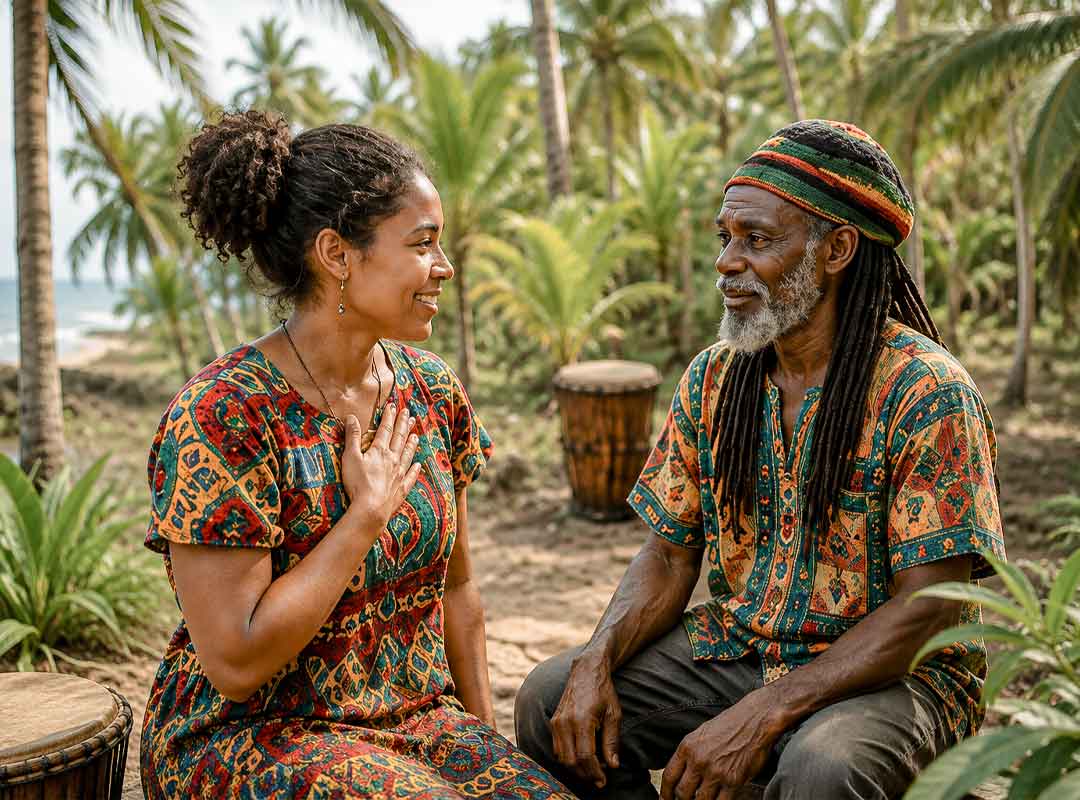
Traveler sharing a respectful cultural exchange with a Garifuna elder surrounded by tropical palms and traditional drums during a Garifuna Drumming Workshop, Belize.

Ask Before Filming

People love a quick reel,  I get it. Still, ask before you film, especially kids and elders, and especially if the session touches on spiritual meaning. These workshops feel authentic precisely because they aren't built around your camera.

Treat Drums Properly

Don't step over drums. Don't toss them around. Don't let kids treat them like furniture. The drum is both an instrument and a cultural object, with rules governing its handling. Facilitators teach that gently, and as a parent, you'll want to back them up.

Support Local Craft Fairly

If drum-making is offered, you're stepping into a craft and labor, not a cheap souvenir corner. Pay fair. Ask who made what. Buy fewer and better, and don't haggle like it's sport.


FAQ

Can beginners still sound good by the end?
Yes — in the way that matters. You're not leaving as a reincarnated master drummer. You're leaving with a shared rhythm your family built together, plus enough technique to understand what you're hearing when punta shows up at a real celebration.

How does this support Garifuna heritage?
When you pay a real community facilitator, you're backing skill transmission, instrument knowledge, and the time it takes to teach youth. Heritage doesn't preserve itself on good vibes alone; it takes money, organization, and repetition. Programs like the Battle of the Drums cultural initiative center on language preservation, drumming, and community camps as living pillars.

What safety notes matter for young children?
Sound level is the big one. Drums are loud up close. Bring child-sized ear protection if your kid is sensitive to noise. Watch hydration and sun exposure. Also, plan transport like an adult, night driving in unfamiliar areas, especially in heavy rain, isn't the time to be adventurous.

How do you pick a reputable facilitator?
Look for community roots, not marketing polish. Ask who teaches, how long they've been practicing, whether they work with local youth, and whether the session includes context, not just performance.


Conclusion

If your family wants a Belize experience that sticks, book the workshop. Put it on your calendar early, not as a leftover slot between snorkel trips. Let your kids find a rhythm that comes from the land, history, and community, not from a playlist.

You'll leave with sore hands, a brighter sense of place, and a kind of shared gift that's hard to buy anywhere else. And quietly, without making a big speech about it, you'll have supported a living tradition that still deserves to be loud.
Great Blue Hole, Belize Snorkeling Guide: What To Expect

Great Blue Hole, Belize Snorkeling Guide: What To Expect

Blue Hole Snorkeling Belize: Is It Really Worth It?


Snorkeling at the Blue Hole in Belize is absolutely feasible. Still, if you show up expecting a busy coral aquarium, you're setting yourself up for a quiet, long day of annoyance. What you're really buying is the bragging rights, the scale, the rim swim, and the fact that most operators bundle it with stops that are genuinely gorgeous for snorkelers. The Great Blue Hole sits out at Lighthouse Reef Atoll, about 43 miles offshore, so you're also buying a serious open-sea boat ride, the kind that can turn your breakfast into a bad decision if the wind picks up.

People get weirdly sensitive about this trip because they want it to be "the best snorkel of your life." It might be. It might also be the day you learn you don't love long crossings, diesel fumes, or deep, dark ocean under your feet. Both can be true.

Belize's bigger context matters too. You're not just playing in pretty turquoise water. You're on the Belize Barrier Reef, a globally famous, roughly 185-mile system that's heavily managed and still dealing with climate stress and disease pressure, as tracked in the IUCN's World Heritage Outlook profile for the Belize Barrier Reef Reserve System and the MAR region scorecards.

What will you actually see in the water?

What will you actually see in the water?

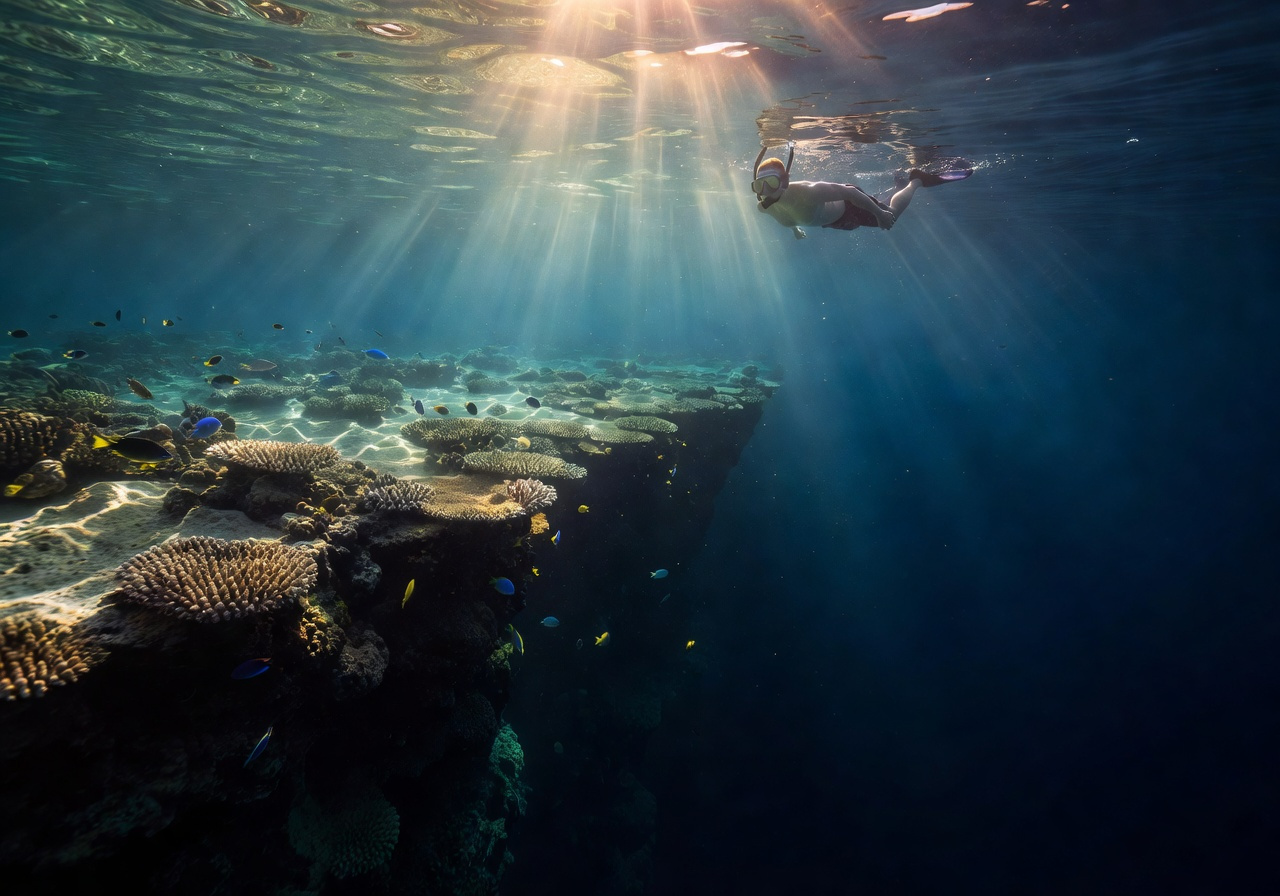
You'll see a whole lot of blue. Some days, a hypnotic blue that feels like ink, like the ocean decided to go theatrical. You'll also see the coral rim, plus the usual cast that hangs around the edge, and at other snorkel stops you'll get the stuff people daydream about: corals, sponges, and schools of fish that look like they were painted in a rush.

If you need the blunt version, here's what's most likely, especially if you're comparing this to somewhere like Hol Chan:

  • At the Blue Hole itself, you're there for the rim view and the sinkhole drama, not a dense reef garden.
  • At the "bonus" sites, you're there for the lively reef action, the colorful fish, and the calmer-feeling swims.
  • On a good visibility day, everything feels cinematic; on a meh day, it can feel like you traveled far to stare into a blue bowl.

That mixed bag is why the community consensus stays so split, and why critique-heavy writeups like this independent evaluation of Blue Hole snorkeling keep getting passed around by folks who'd rather you be happy than starry-eyed.

Rim view

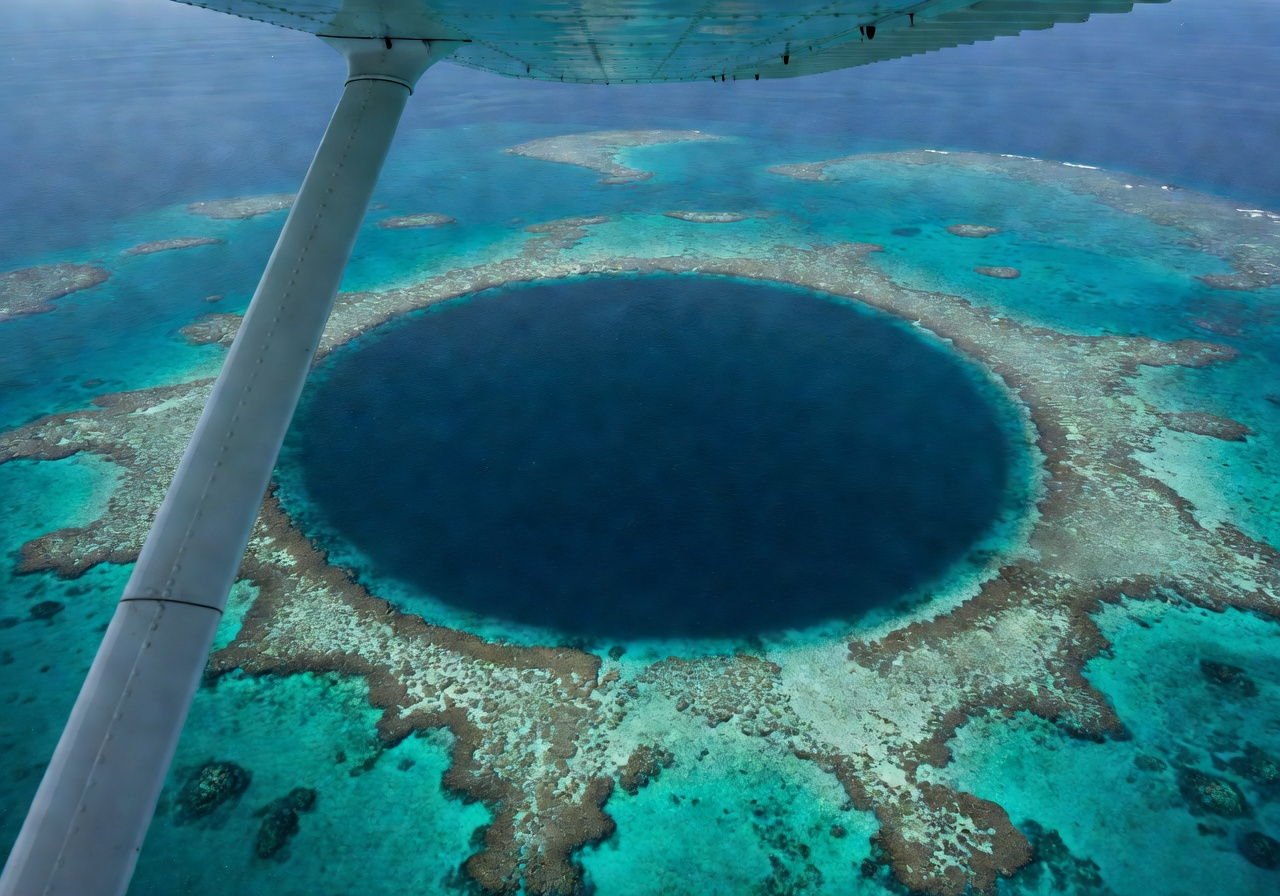
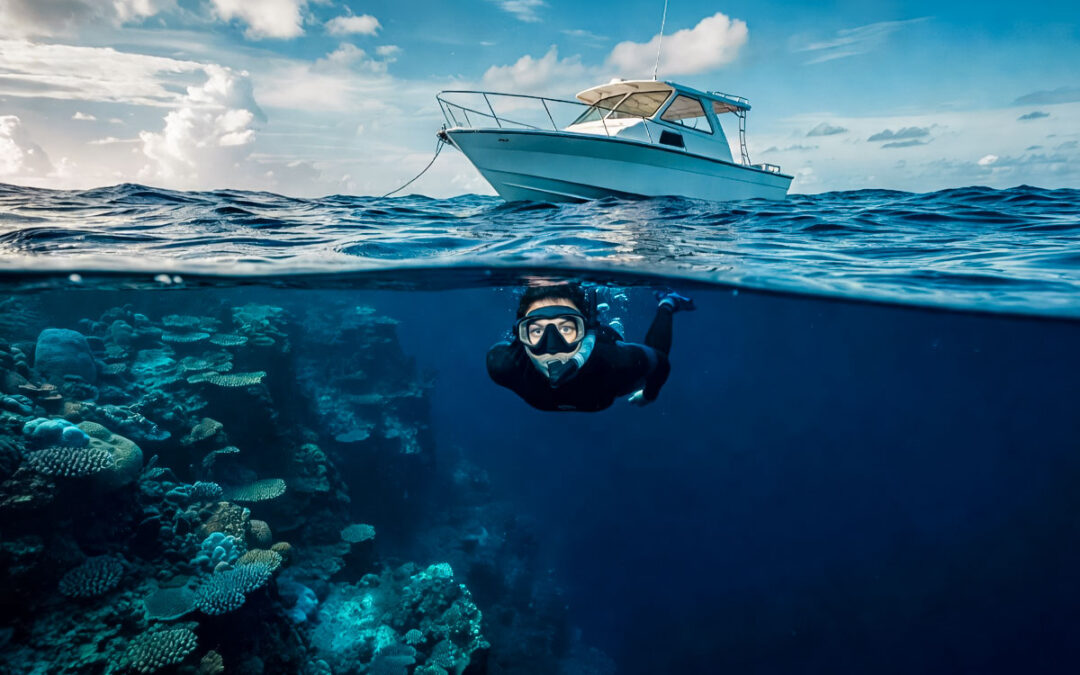
The Great Blue Hole is a massive underwater sinkhole encircled by a coral ring. From above, it's a perfect circle carved into the sea, a natural landmark that looks unreal in photos because it is. From the surface, you're basically swimming along the rim, peering down into the drop-off, feeling your brain do that little hiccup when it realizes there's no bottom in sight.

That sensation is the point. If you're a fan of geology, scale, and that odd "floating over space" feeling, you'll get it. If you're chasing constant marine life, your best moments will likely be elsewhere on the day trip.

Typical wildlife

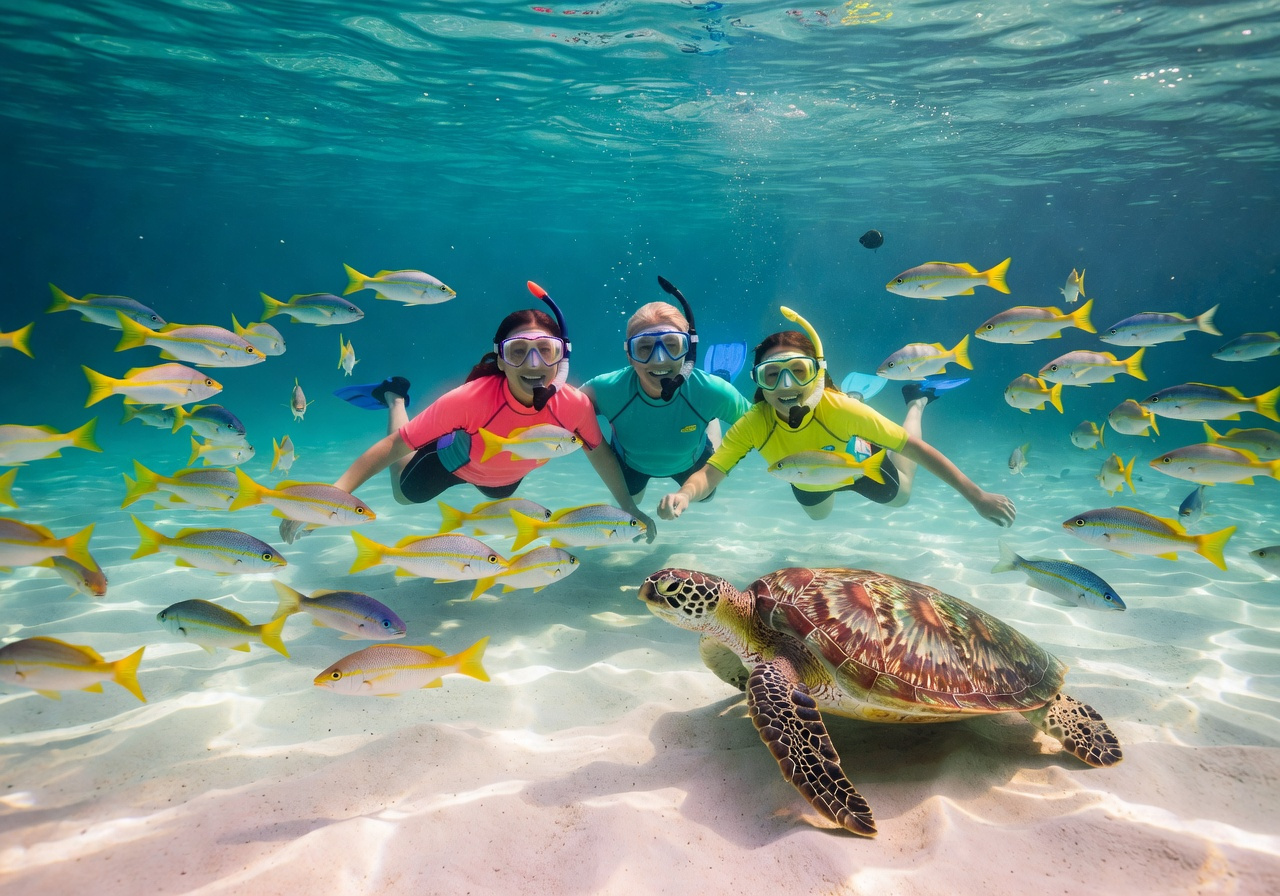
Along the rim and at the surrounding reef sites, you can expect reef fish and the usual Belize characters: parrotfish, angelfish, snapper, sergeant majors, and the occasional barracuda that looks like it's judging you. Rays happen. Turtles happen. Some days you'll spot a black durgon flicking about like it owns the place. Sharks are more of a "maybe," and usually more reliable at Shark Ray Alley than at the hole.

You'll hear stories about dolphins, too, mostly on the ride out or back, and yes, they're real, but don't plan your whole mood around a dolphin cameo.

Visibility shifts

Visibility offshore can be wild; you could swear you're looking hundreds of feet through the water, then a weather system rolls through, and it turns milky. Currents and wind direction matter. Season matters. Pure luck matters.

If you like nerdy reef health reading, the Mesoamerican Reef Health Report Card 2024 is a sober reminder that these ecosystems aren't just "pretty"; they're under pressure, and your guide is making calls in real time about where it's safe and worth it.

How does the day run, start to finish?

How does the day run, start to finish?

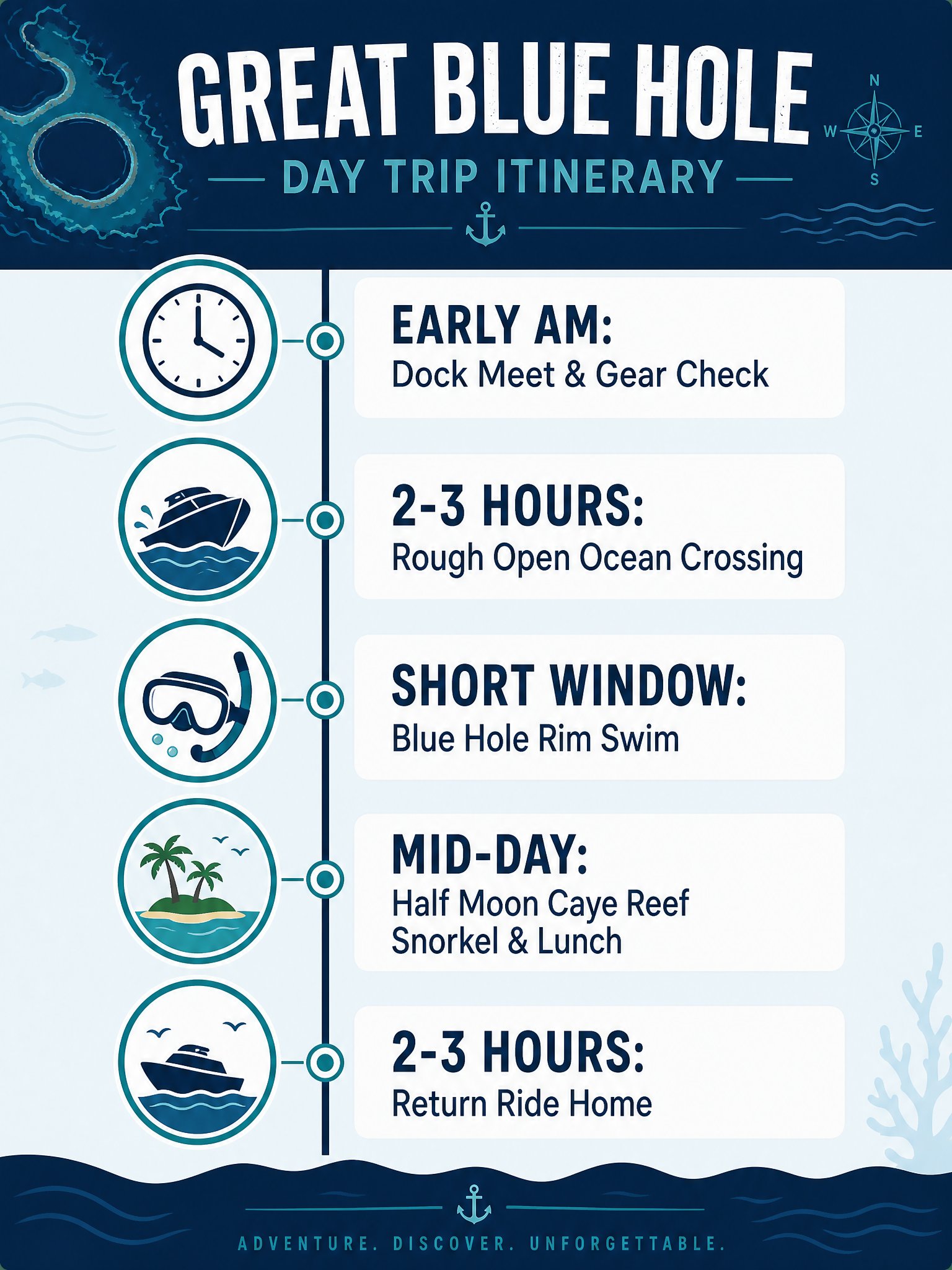
It's a full-day adventure. Early dock meet. Gear check. Bathroom break while you still have a bathroom that doesn't involve a bouncing boat and your pride. Then you're off.

Most operators run a similar rhythm because the geography forces it: you've got distance, atolls, and timing windows. A solid crew will brief you properly, keep first-timers close, and still make sure the rest of the t divers in your mixed group don't feel like they're paying to babysit.

A pretty standard flow looks like this:

  1. Depart early from San Pedro or Caye Caulker, sometimes even earlier from the mainland, depending on the operator and sea state.
  2. Long crossing out to Lighthouse Reef.
  3. Quick Blue Hole swim window, then you move on.
  4. Snorkel stops that actually deliver the "Belize reef" feeling, often including Half Moon Caye.
  5. Lunch, then another water session, then the long ride home.

I'm not trying to make it sound like a factory line, but it's a day built on logistics.

Departure timing

Expect a pre-sun start. Operators do it because the open ocean tends to behave better earlier, and because you need the daylight for multiple stops. If you're rolling in sleepy and late, you're the person everyone remembers, and not warmly.

Stop order

Stop order varies, but it's usually Blue Hole first, then the prettier snorkel stops. You might get Half Moon Caye mid-day, sometimes as a "reset" where you can stretch your legs on a tiny island and stop feeling like a human bobblehead.

Time in water

You're not in the water for hours straight. You're doing multiple sessions, usually shorter swims. The whole portion can feel surprisingly brief, partly because it's exposed and partly because there's not much reason to linger once you've "seen" it.

Your guide will keep an eye on fatigue, confidence, and that one person whose mouth is full of snorkel and panic at the same time. It happens. They'll handle it if they're good.

How rough is the boat ride, really?

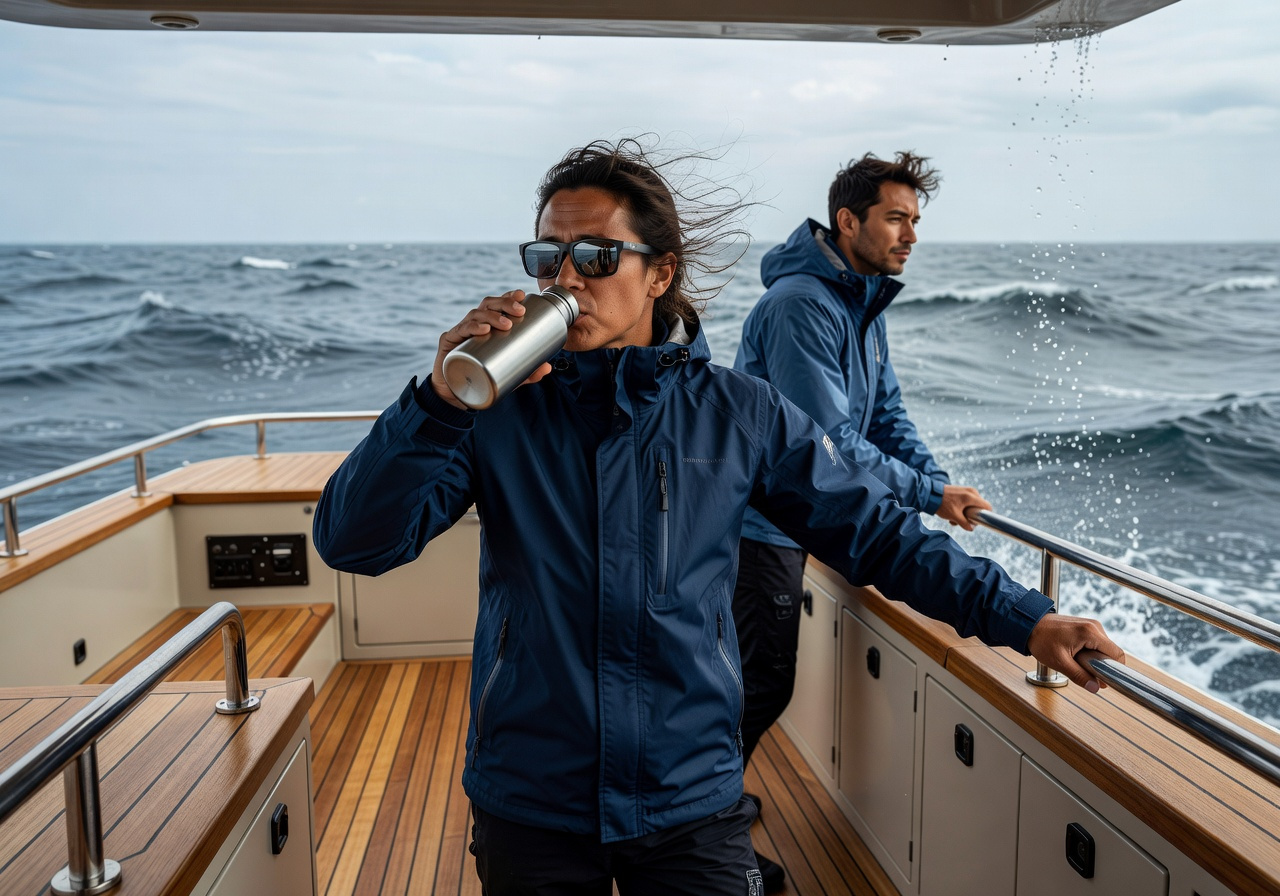
A candid, eye-level documentary photograph capturing the experience of a choppy ocean crossing on a luxury open-air dive boat. In the foreground, a traveler in a stylish windbreaker and polarized sunglasses grips a brushed-metal handrail while sipping from a stainless steel water bottle with a focused, slightly uneasy expression. Nearby, another passenger gazes out at the large gray-blue swells. The boat deck is immaculate, featuring premium teak flooring and discreet, organized dive-gear storage. Sea spray is frozen in the air and hair is windswept to convey realistic motion and the spray of the sea. Natural, diffused daylight illuminates the scene, emphasizing an elegant maritime atmosphere. High-end editorial photography style, sharp focus on the subjects, clean composition with no clutter, no rust, and no text. 16:9 aspect ratio. Do not include citation in the image. If text is given, generate in English language.

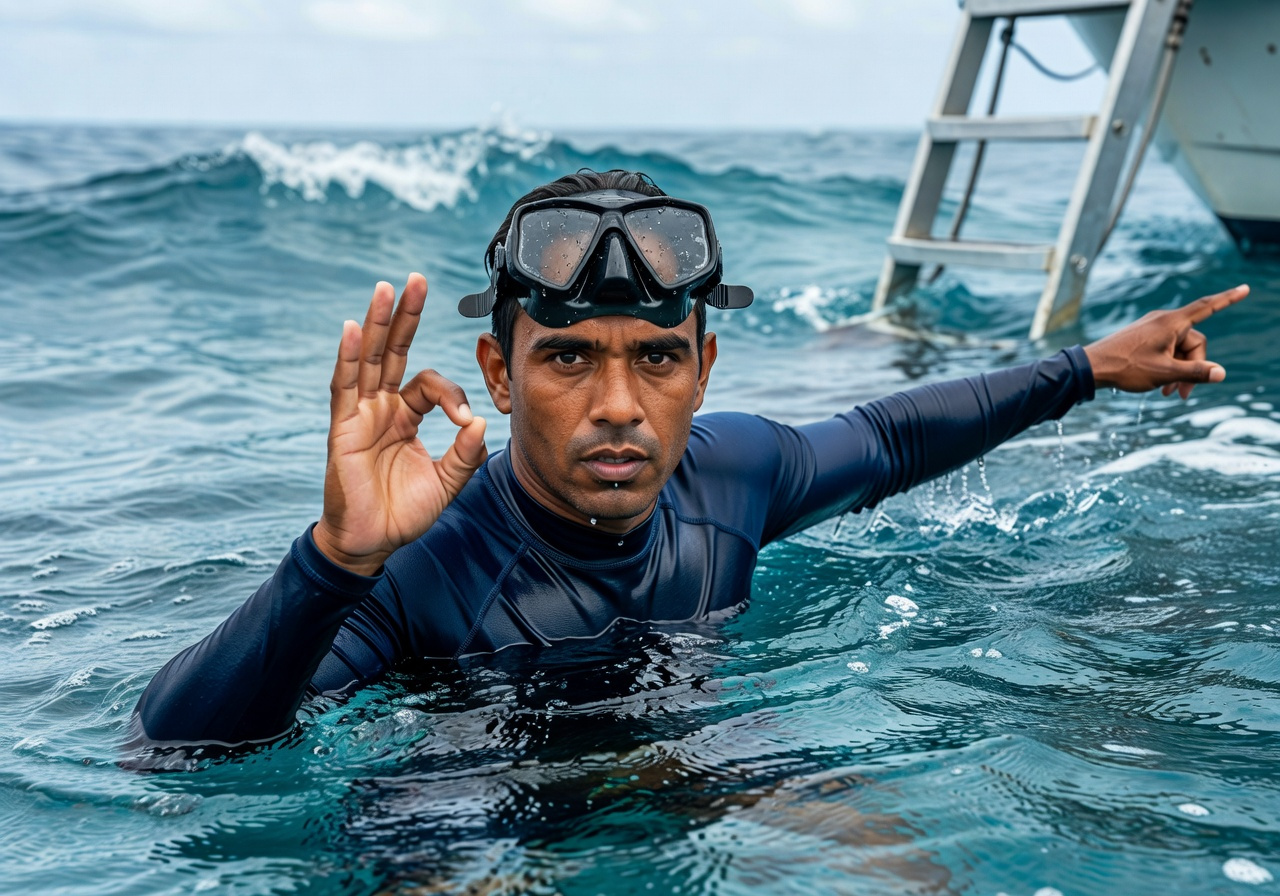
Rough enough that you should take seasickness seriously, even if you never get sick on a ferry. The ride out is open water, not the calmer lagoon behind the barrier reef. Conditions can shift fast, and when they do, the crossing becomes the main event, whether you wanted that or not.

You'll hear people complain about fumes. It's not imaginary. Boats are machines, and sometimes you're seated where the wind pushes exhaust. A smart captain will shuffle seating if they can, but no one's rewriting physics for your comfort.

Crossing time

From the cayes, you're typically looking at 2 to 3 hours each way, depending on the boat and sea. Call it an hour trip only if you're counting one small segment and lying to yourself. Bring patience.

Sea state

Wind creates chop. Channels between reef structures can slap hard. If the forecast looks ugly, good operators cancel. You don't want the "we go anyway" guys. If you want a sense of how weather-dependent the site is, even dive databases acknowledge it.

Comfort tips

You don't need a survival kit. You need common sense.

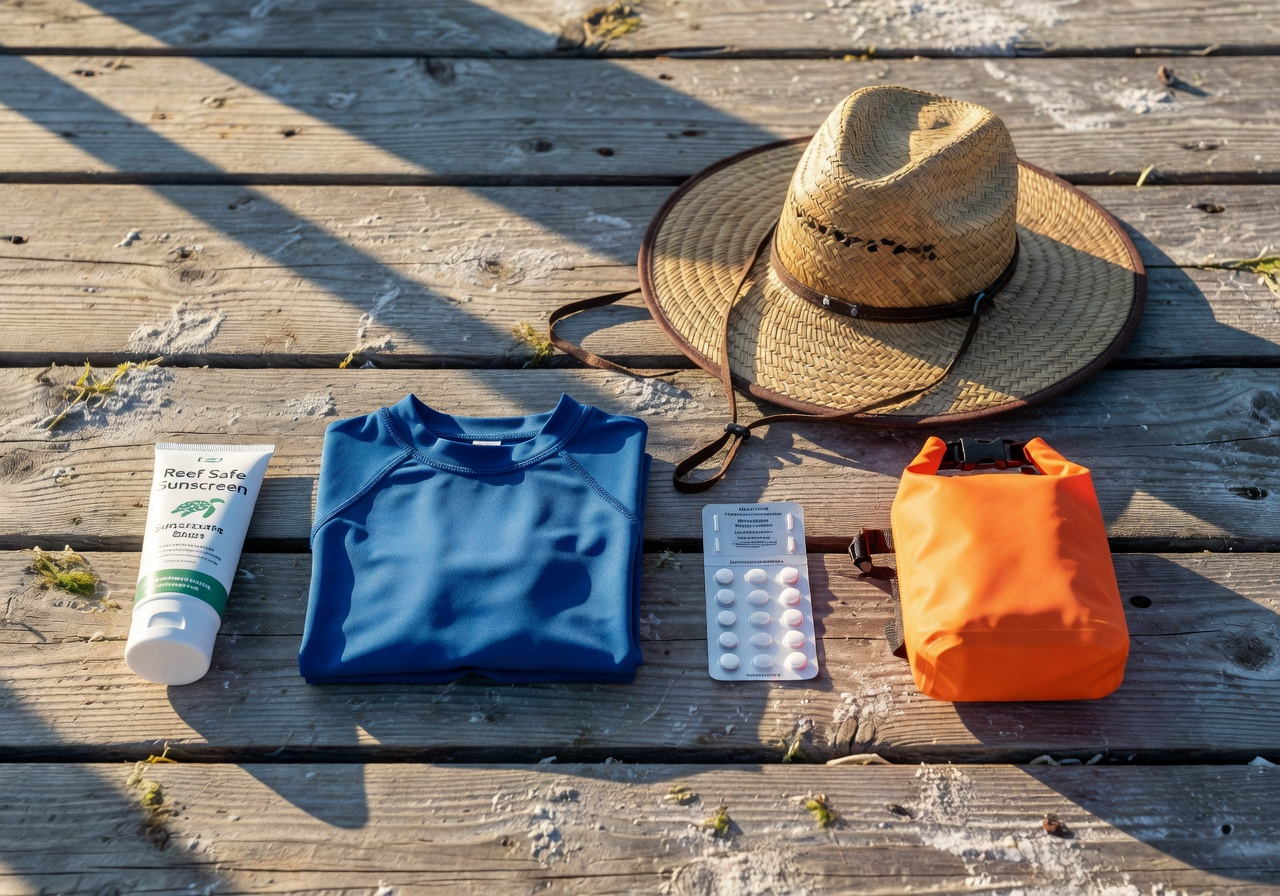
  • Take motion sickness meds early enough to work, not when you already feel green.
  • Bring more water than you think, plus sun protection that won't trash the reef.
  • Eat light. Rice and beans are delicious, but maybe save the big plate for after, unless you enjoy drama.
  • Pack a dry bag and a small towel. Also, pack spare clothes for the end, because wet plus wind on the ride back can feel cold.

Who should skip it, and who will love it?

Who should skip it, and who will love it?

This is where you stop pretending every iconic thing must be for you. Some trips are amazing, some are just expensive self-punishment; your call.

Beginners

Beginners can do it if they're comfortable in deep water and they're honest about their fitness and nerves. You're not touching bottom. You're floating, kicking, breathing, listening to your guide. If you want your first snorkel to be gentle and confidence-building, do Hol Chan first, then decide.

Kids

Some kids are little sea beasts and will love it. Some will hate the long ride, the sun, the waiting, and the awkward bathroom situation. If your kid gets motion sick, I'd steer you to a closer marine reserve and let the Blue Hole be a future-you problem.

Mixed groups

Mixed groups are common. Divers want the brag. Snorkelers want the pretty. Operators manage it by treating the Blue Hole as the iconic stop, then delivering the real "wow" at other sites. That balance is the whole product.

If your group can't agree, one compromise is to skip the boat entirely and do a scenic flyover; the aerial view is the cleanest way to appreciate the perfect circle without earning it via seasickness.

Safety rules that matter on this trip

Safety rules that matter on this trip

The safety brief isn't theatre. Offshore sites stack small risks into big ones if you get cocky: fatigue, dehydration, currents, boats moving around you, and that psychological wobble that comes when you look down and see nothing but blue.

Belize also has real conservation commitments, and reputable operators follow them, especially on plastic waste and protected-area rules. Reef etiquette is not optional.

Depth limits

As a snorkeler, you're staying at the surface. The depth below you is irrelevant to your body until panic makes it relevant. That's the real issue. You need to be comfortable floating over deep water without spiraling mentally.

Divers have their own depth profiles and training concerns, and the Blue Hole is famously a bucket list dive, not a casual splash.

Currents

Currents can tug along the rim and around atoll edges. A good guide reads the day, adjusts entry points, keeps the group tight, and calls the swim early if it turns into work. You don't argue with that call. You say "yes, boss," and you live longer.

Guide expectations

Expect hands-on leadership: clear entry and exit instructions, head counts, ID checks on gear, and someone watching your face for the moment confidence cracks.

Compare it to the closer reef snorkel sites.

Compare it to closer reef snorkel sites

If you only have a few days in Belize, the Blue Hole trip competes with easier wins. Not morally. Practically. You can do closer sites with less travel time, more reef life, and way less chance of losing your lunch.

Here's a quick, honest comparison table people tend to appreciate after they've already wasted money once:

Option | Ride Ride + effort What you're paying for Best for
Great Blue Hole day trip High Iconic rim swim + brag + bundled stops Bucket-list types, mixed groups who can handle sea
Hol Chan Marine Reserve Low Reliable fish action, easier conditions Beginners, families, short stays
Half Moon Caye stop Medium Beautiful island vibe + strong snorkel People who want both beach and reef time

Hol Chan

Hol Chan is the crowd-pleaser. It's accessible from Ambergris Caye, it's loaded with fish, and it's the kind of place where a first-timer can relax into the rhythm. If you want that "I saw everything" feeling without spending half the day on a boat, this is where you start.

Half Moon Caye

Half Moon Caye is where a lot of snorkelers quietly admit they had the best swim of the day. The water tends to be gorgeous, the island is legitimately pretty, and it scratches that perfect island fantasy in a way the Blue Hole itself doesn't, because the hole is more vibe than wildlife.

Lighthouse Reef

Lighthouse Reef Atoll is the larger stage that hosts the Great Blue Hole, along with other sites that can be more biologically rewarding. It's remote, it's exposed, and it's a commitment. You go because you want the atoll experience, not because you want to pop out for an hour and be back in town for pie.

Plan the trip without wasting money.

Plan the trip without wasting money

Prices swing by season, operator, inclusions, and where you depart from. The biggest financial mistake is booking the Blue Hole when what you actually wanted was easy reef snorkeling and a nice lunch. The second biggest mistake is booking the cheapest option and acting shocked when the boat is crowded, and the gear feels tired.

Book when the forecast looks stable, and give yourself schedule slack for weather cancellations. Offshore trips get canceled. That's normal. Don't build your whole week around one day like it's a wedding.

Also, bring what actually helps: reef-safe sunscreen, a rash guard or light suit (even Belize guide sites point out why, like this Belize Barrier Reef snorkeling guide, and a hat that won't launch itself into the sea at 25 knots.

Choose a tour operator with confidence

You want an operator who treats the reef like a living system, not a theme park. Belize has protected areas all over, and the better companies behave accordingly if you like getting a pulse on aggregated feedback before you hand over your card.

When you're comparing options, look for clarity on group size, guest-to-guide ratio, crew quality, and how they handle mixed abilities. Also, ask straight up about cancellation policy and seasickness support. You're not being "difficult." You're the person who wants to enjoy the day.

If you're stitching Belize into a bigger Central America run and you want someone to handle the planning without turning it into a spreadsheet war, this is where a seasoned DMC like Authentic Travel Belize becomes the quiet advantage, because thirty-plus years in the region usually translates to better operator matchmaking and fewer dumb surprises at the dock.

FAQ

Is Blue Hole snorkeling "worth it" if you don't dive?
It's worth it if the icon matters to you and you can handle the ride. If you only care about reef life, you'll usually get more joy from closer reserves and atoll reefs.

How deep do you snorkel at the Great Blue Hole?
You stay on the surface along the rim. The depth is below you, not where you're swimming, but the psychological effect of that depth is real.

How long is the boat ride from San Pedro?
Often 2 to 3 hours each way, depending on conditions and vessel.

Do trips get canceled for weather?
Yes. Offshore wind and sea state drive safety. If you see an operator bragging they "never cancel," treat that like a red flag, not a perk.

Where can you confirm the site is officially "the" Blue Hole?
Belize's tourism listings describe it simply as a flagship attraction at Lighthouse Reef, as on the official Travel Belize Blue Hole page.

Conclusion

If you want the clean truth: the Blue Hole trip is a long, offshore boat day built around one iconic rim swim and a set of snorkel stops that often steal the show. You'll probably see plenty of fish, maybe a turtle, maybe rays, and you'll definitely feel the scale of the sinkhole in a way photos can't quite deliver. You might also feel wind, chop, and the limits of your stomach.

So decide like an adult. If you're chasing the story and you can handle the ride, go. If you're chasing nonstop reef color, keep it closer, save your energy, and spend more of your time actually in the water instead of commuting across the sea.

Belize boutique hotels, senior-friendly accessibility

Belize boutique hotels, senior-friendly accessibility

Belize boutique hotels senior-friendly accessibility

Verified step-free rooms, grab bars, and quiet locations with staff ready to help.

You can love Belize and still admit the obvious: a lot of boutique stays are adorable right up until you're dragging a suitcase over uneven stone, hunting for a handrail, and realizing the "charming" staircase is the main route to your room.

So the straight answer, upfront, is this: boutique hotels in Belize feel senior-friendly when the property is built (or retrofitted) for step-free movement, the bathroom is set up for real safety, the staff actually problem-solves around mobility, and transportation is predictable. And because Belize is a beautiful country with wildly mixed infrastructure, that friendliness varies more than people want to admit.

You're not trying to "conquer" anything. You're trying to have a joyful trip, protect your comfort, and keep the whole journey from turning into a daily logistics puzzle for your elderly parents, your parents, or you. That's the bar.

What makes a stay easy for older travelers?

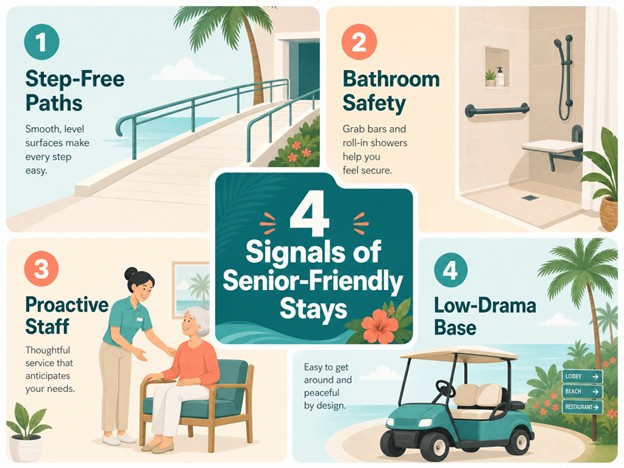
Chart showing 4 signals of senior-friendly accessibility at Belize boutique hotels, including walkable layouts, transportation, comfort, and personalized service

Boutique properties sell vibe. Seniors need functionality. When those overlap, you get joy rather than friction, and your guests feel calm all week rather than slowly unraveling.

I keep coming back to four practical signals, the ones that actually change your experience over time.

  • Step-free routes you can trust, not just "a ramp somewhere."
  • Bathrooms that assume someone will slip unless you design against it
  • Staff support that treats accessibility like normal hospitality, not a special favor
  • A low-drama home base near the places you plan to visit, so your pace stays humane

Step-free paths

Step-free paths are the difference between "easy walk" and you calculating every threshold like you're doing engineering. You want ramps with a sensible slope, firm surfaces, and lighting that doesn't turn walkways into shadows at night. In Belize, the gotchas are predictable: sandy entries, loose pavers, docks, and that one sneaky lip at the doorway that catches canes and wheels.

If you're browsing properties around San Ignacio, one reason I keep seeing people mention the same places is that some have already been written about on-property senior mobility realities, like the practical notes baked into the San Ignacio Resort Hotel's senior travel guidance. You're looking for evidence that the resort has considered impaired users beyond its marketing copy.

Bathroom safety

Boutique bathrooms can be stunning and still be a menace. Rain-style showers without a seat. Polished tile. No grab bars. Fancy sinks with nowhere to brace. That's how you burn a day of a trip, fast.

You want a shower you can enter without a gymnastics routine, sturdy grab bars (not towel racks pretending to be grab bars), a non-slip floor, and enough space that you're not pinballing off fixtures. If you use a walker, "spacious rooms" should include the bathroom, not just the bedroom.

One property that's unusually specific about this is Ka'ana, which lays out details like roll-in showers and lowered switches in its accessibility information. That level of specificity is what you're hunting for across the board, even if you don't stay there.

Staff support

A boutique hotel's superpower is people. Not amenities. If the staff is attentive in the real way, they'll quietly solve the stuff that would otherwise sap your time: arranging ground-floor rooms, coordinating golf cart pickups, bringing a chair for the dock wait, adjusting meal timing, flagging which archaeological sites have benches and shade.

This is also where locally owned lodgings can shine. When owners are actually onsite, you often get that hard-won "sense of place" and direct accountability. It's not always perfect, but the service tends to be human, not scripted, and that matters when unique needs pop up mid-week.

Evaluate access details before you book

Couple reviewing Belize boutique hotels with senior-friendly accessibility feature

This is where most people get lazy. They glance at a listing, see "accessible," and assume ADA-style consistency. Belize does not run on that kind of standardization, and boutique properties, especially, can be inconsistent from room to room.

A good approach is to treat the hotel website like a contract: if it's vague, you assume the hard parts are hidden.

Accessibility statements

Some properties publish accessibility statements. Great. The problem is that a statement can mean anything from "we care" to "we measured."

A surprisingly useful side tactic is to check whether their website even behaves as if it were built for users with impairments. If the booking engine breaks under screen readers, if you can't navigate forms with a keyboard, if basic menus require a mouse, that's a clue about the operation's overall maturity. The World Wide Web Consortium's WCAG and the Web Content Accessibility Guidelines Level AA standard aren't just web-nerd trivia. They're a proxy for whether the business respects accessibility as a real constraint, not a slogan.

If you want a quick scan of how uneven "accessible travel" labeling can be by destination, you'll notice the general tone on Booking.com's accessible travel notes for Belize: lots of options, inconsistent detail, and a heavy need to verify.

Room measurements

Ask for measurements. Real ones. Door widths, shower entry lip height, bed height, turning radius in the bathroom, and whether a ground-floor unit is truly step-free from parking to the room. If a property can't answer, that's data.

Here's a small comparison table you can use when emailing or calling. Keep it simple, keep it measurable.

What you ask What you're really verifying What "good" sounds like
"Is the route from drop-off to room step-free?" No hidden steps, curbs, or sand traps "Yes, continuous ramp/level path, firm surface"
"Do you have a roll-in shower or a walk-in with a low threshold?" Bathroom fall risk "Roll-in" or "low lip," plus grab bars
"Any stairs to the restaurant/pools?" Daily friction points "No stairs," or "ramp available," clearly described
"Can you confirm door widths?" Mobility equipment compatibility Specific inches, not "standard."
"Do you have nighttime lighting on paths?" Trip hazard control "Yes, lit paths," not "usual.y"

Photo verification

You're allowed to be annoying. Ask for photos of the exact room entry, bathroom, and the path to breakfast. A wide shot hides thresholds. A close shot reveals them.

Also, look at third-party photos, not just curated ones. If you want a broad pool, TripAdvisor's accessible hotel listings for Belize can help you triangulate what "accessible" actually looks like in the wild.

Choose the right base for comfort.

Chart comparing Belize boutique hotels with senior-friendly accessibility, comfort, and travel convenience for older travelers

Belize is compact on a map and not always compact in your knees. Your base determines your daily load more than your tour choices do.

Ambergris Caye

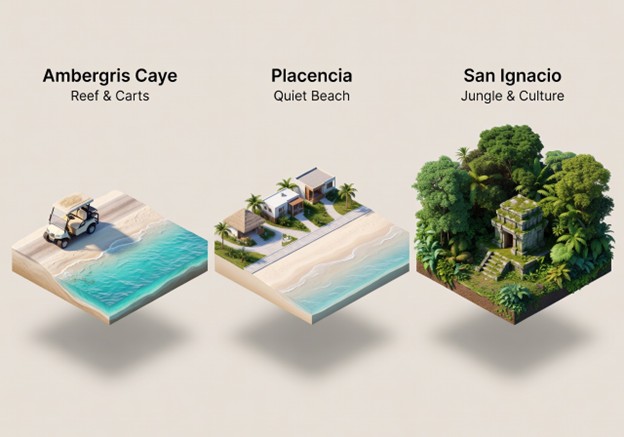
Ambergris Caye gives you reef access and a town (San Pedro) where golf carts are basically the bloodstream. The upside is easy snorkel logistics, casual restaurants, and short hops that keep your pace mellow. The downside is terrain: patches of uneven sidewalk, puddles, and the occasional "sidewalk ends, good luck" situation.

If you're doing reef days, keep it gentle. Hol Chan is famous for a reason, and if you're checking rules and entry logistics, the Hol Chan Marine Reserve information is worth a glance before you commit to boat time.

Placencia Peninsula

Placencia tends to feel lower-rise and calmer, which is why you'll see it recommended for generational travel and quieter resort vibes. It's a nice fit if your group wants beach, pools, and easy evenings without feeling like you're dodging bachelor parties.

The common thread from travelers is also the most boring one: arrange reliable local transit, because walking long distances on heat-soaked afternoons is not the point. You'll see properties becoming more explicit about this, as in Coconut Row's discussion of its accessibility and practical setup.

San Ignacio

San Ignacio is your jungle base, and it's where you can do temples, culture, and wildlife without committing to hardcore trekking. It's also where a scenic drive can be comfortable if you plan it right and take breaks.

You're close to Xunantunich, and if you pick guides who understand pace, you can still get your archaeological sites fix without turning it into a stair-climb contest. Also, San Ignacio Town has real life: the San Ignacio Farmers Market, small cafes, local crafts, and that feeling you're actually in Belize, not floating above it.

Plan low-stress transport between places.s

Guest arriving by golf cart at Belize boutique hotels with senior-friendly accessibility

If you're traveling with seniors, transport is the spine of the trip. Break the spine, and the whole week feels longer.

Airport transfers

Most international arrivals come through Philip Goldson International Airport, outside Belize City, so you want to be boring and prepared there. Pre-book a private transfer, ask about the vehicle's step height, and confirm whether it can accommodate mobility aids.

Also, don't "wing it" on safety planning. It's smart to scan the U.S. State Department's Belize travel information and the current Belize travel advisory so you can make choices with your eyes open, not fear or fantasy.

This is where a Belize-based operator earns their keep. If you want someone who can stitch transfers, hotel coordination, and low-impact tours into one coherent plan, this is exactly the lane for Authentic Travel Belize, especially if you'd rather not be the family's full-time dispatcher via email all week.

Water taxis

Water taxis can be fine or stressful, depending on the docks and boarding conditions. You want to ask about boarding assistance, how stable the gangway is, and whether there's seating during waits. Heat, standing, and crowds are where energy drains.

For some travelers, staying put and day-tripping is better than island-hopping. Less ferry time, more comfort. Simple math.

Golf cart rentals

Golf carts are a way of freedom in Ambergris Caye and sometimes in Placencia, too. The trap is assuming you'll walk "just a little." In humidity, "just a little" can be a lot.

Ask the hotel to arrange a cart delivery, confirm the seat height, and confirm whether it's street-legal where you're staying. Also, ask about headlights for evening dinner runs. Yes, it's unglamorous. It's also how you keep the trip from feeling like work.

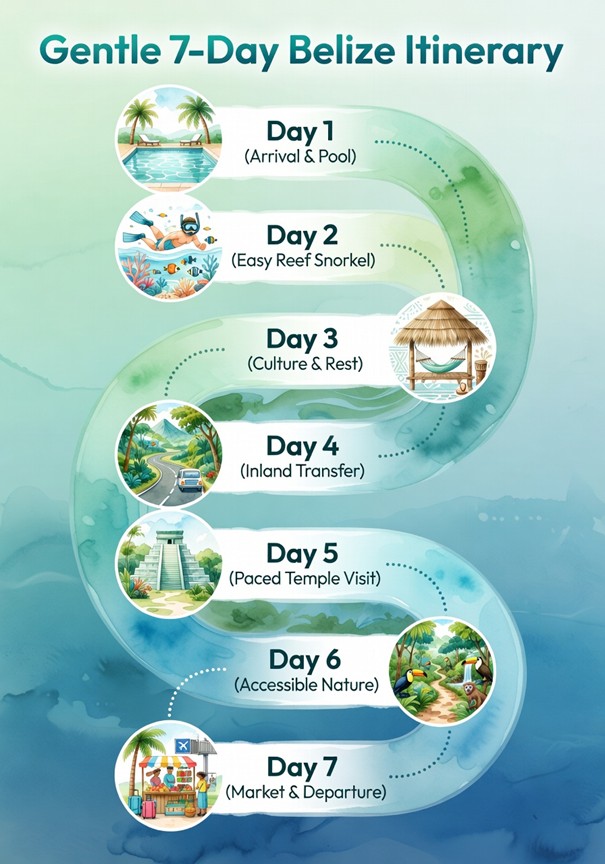
Use a gentle 7-day Belize itinerary.

7-day Belize itinerary featuring Belize boutique hotels and senior-friendly accessibility

You don't need a punishing Belize itinerary to get rewarding experiences. You need a sample itinerary that respects heat, recovery, and the fact that joy shows up when you're not exhausted.

Day 1: Arrive, transfer to your home base, unpack, relax by the pool, and enjoy a leisurely dinner. If you're in Belize City briefly, keep it minimal, then move on.

Day 2: Easy reef day if you're on the coast. Short snorkel window, plenty of seated time, and a relaxed lunch after. If you prefer low motion, choose the glass-bottom boat option and keep swimming optional.

Day 3: Cultural day. Slow morning, then a small food stop for Belizean treats, then an early afternoon break. Schedule outdoor time in the morning, not peak sun. Your relaxed afternoon is sacred.

Day 4: Transfer inland to San Ignacio. Break the drive with a clean rest stop and hydration. Settle in, walk only as far as feels easy, and let the jungle views do the heavy lifting.

Day 5: Xunantunich in the morning with a guide who won't rush you, then back for rest. If you're curious about who to hire, I've seen good outcomes when travelers choose specialists like Cayo Gial Tours Guides, who understand pacing and don't treat it like a race.

Day 6: Choose one nature day. Mountain Pine Ridge Forest Reserve can be gorgeous without being extreme if you pick the right stops and avoid slippery rocks. Big Rock Falls is pretty, but treat it as scenery, not a mandatory climb.

Day 7: Market morning in San Ignacio Town, then head back toward the airport corridor and get ready for your flight home without drama.

If you want proof that Belize isn't some tiny niche destination anymore, the inbound numbers on the Belize Tourism Board's statistics portal and the macro view on WorldData's Belize tourism overview show a steady flow of travelers, which is good news for services, and sometimes bad news for crowds.

Pick senior-safe tours and activities.

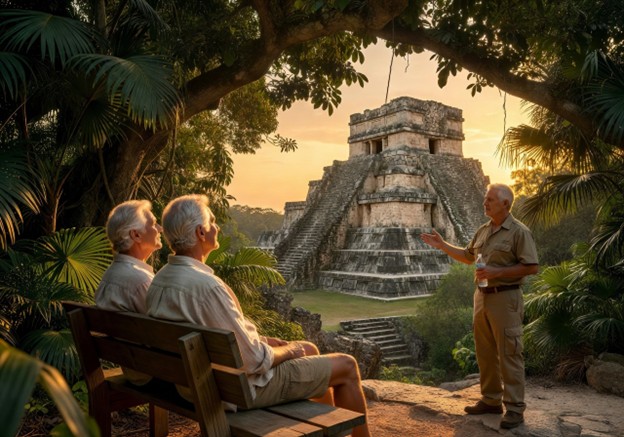
Senior couple exploring Maya ruins with a guide near Belize boutique hotels and senior-friendly accessibility tours

You can absolutely do wildlife and culture with seniors. You have to avoid macho itineraries disguised as "soft adventure."

Aim for outings with seating, walking optional, and bathrooms planned, not hoped for. If you want a quick check on Belize's built environment, Travability's older but still relevant notes about ramps and architectural barriers in this Belize accessibility breakdown line up with what you'll hear from residents in threads like the Guide to Belize mobility discussion and travelers comparing notes in the Belize vacation mobility thread. It's not doom, it's realism.

A few activity types tend to land well for seniors and mixed ages:

  1. A guided Belize Zoo visit or a similar level-ground wildlife stop, especially when the operator is used to mobility constraints, as described in Sage Traveling's accessible Belize tours guide.
  2. A half-day temple visit with benches and shade planned, using tips echoed by travelers in the senior-friendly excursions thread.
  3. A conservation-focused stop like the Green Iguana Conservation Project, where you can sit, learn, and still feel close to green iguanas without turning the day into a hike.

On reef days, I like it when operators follow responsible tourism rules, because it often correlates with calm, organized boat handling. The guidance on responsible reef tourism in Belize is a decent north star.

Also, keep an eye on medical reality. Belize is not built like a giant U.S. metro area. If you want a sober snapshot of medical care and evacuation constraints, the Caribbean BlueBook advisory for Belize is worth a read, then move on with your life.


Conclusion

Belize can be a fantastic destination for seniors, generational groups, and relatives traveling together, but only if you stop pretending "boutique" automatically means "easy." You win this trip by choosing a comfortable base, clarifying accessibility details, and building days that leave room for rest, meals, and beautiful views.

Do that, and the country gives you the good stuff: reef color, jungle hush, culture that feels lived-in, and memories that don't come with a limp. (And yes, you can still sneak in a nice dinner, even if it's somewhere surprisingly polished like W Restaurant, as long as you plan the ride and don't make anyone sprint for a table.)


Frequently Asked Questions

Are boutique hotels in Belize usually ADA-compliant?
No consistent standard. Some properties have accessible rooms and thoughtful design, many don't. You need to verify room by room and path by path.
Is Ambergris Caye walkable for seniors?

Parts of San Pedro are, but uneven surfaces and heat make golf carts the most comfortable mode of transportation for many users, especially for longer distances.

What's the easiest inland base for temples without overdoing it?

San Ignacio, because you can do Xunantunich at a controlled pace, then recover at your resort. It's also a good spot for quieter countryside scenery.

How do you vet accessibility info when a website is vague?

Ask for measurements and photos. If they can't provide basics, assume the operation hasn't prioritized accessibility. Bonus tell: a booking site that's unusable with screen readers or keyboard navigation often hints at the same lack of care offline.


What currency should you carry?

Belize dollars (BZD) and USD both circulate; the common rate is $1 USD = $2 BZD.

Ambergris Caye Snorkeling Trips vs Turneffe Atoll Reef

Ambergris Caye Snorkeling Trips vs Turneffe Atoll Reef

Compare Ambergris Caye snorkeling trips and Turneffe Atoll reef adventures to discover Belize’s best marine life and island escapes.

Choose Ambergris Caye (San Pedro) for the cleanest, most "no drama" snorkeling near Hol Chan Marine Reserve and Shark Ray Alley. This option offers short boat rides, calmer Caribbean seas, and easy patch reefs—ideal for beginners and casual groups. Turneffe Atoll is better for adventure travelers who want isolation, fewer crowds, and wilder open-sea encounters, though it requires longer trips and more tolerance for rougher conditions.

Belize loves to call itself "Our Jewel," and it's not just tourism talk. You're dealing with the Belize Barrier Reef Reserve System, part of a UNESCO-listed network that sits inside the bigger Mesoamerican Barrier Reef story, and yeah, the reef's conservation turnaround is real enough that the IUCN World Heritage Outlook tracks how Belize climbed out of the "in danger" label after the oil moratorium. If you're the type who likes receipts, those are your receipts.

Still, none of that helps you when you're standing on a dock deciding between a quick half-day snorkel with a rum punch waiting after, or a full-day haul to an atoll where the horizon is… water. So let's talk like humans.

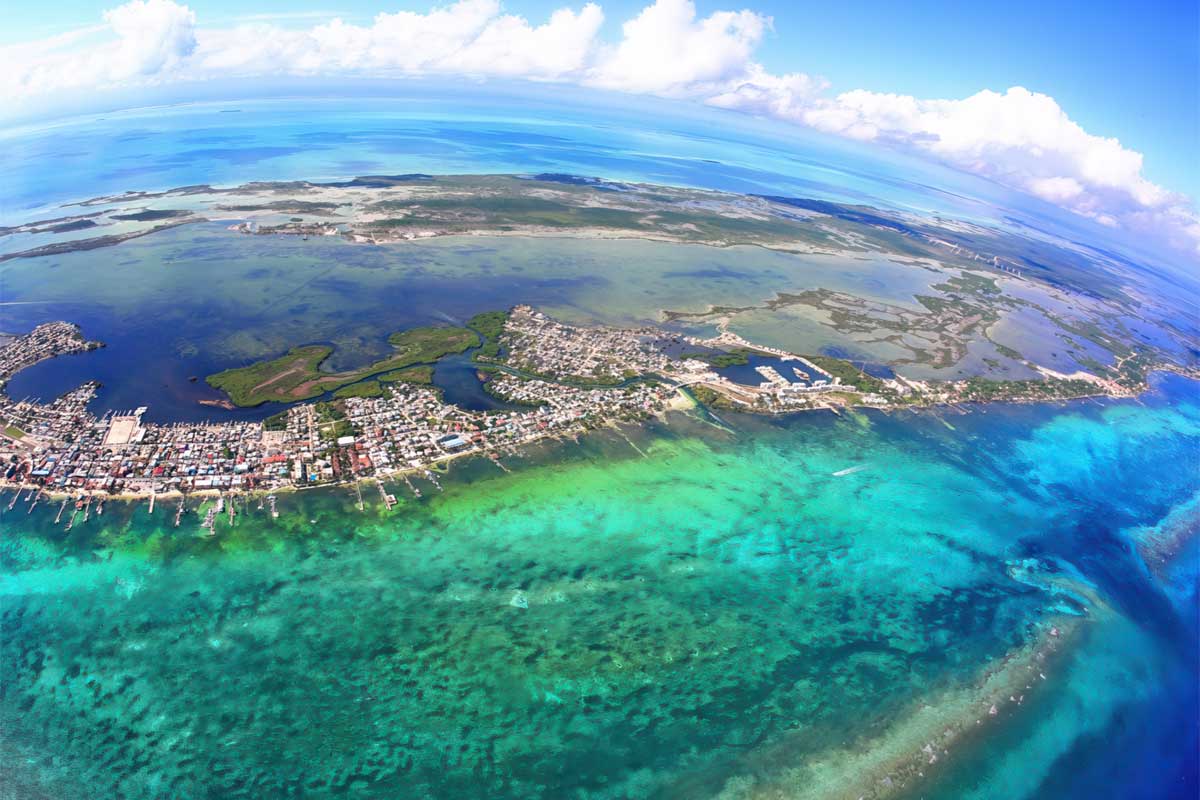
Aerial view of San Pedro Ambergris Caye surrounded by the turquoise Caribbean Sea and Belize Barrier Reef

What feels different on the water?

Ambergris feels like you're snorkeling from a busy island town that happens to sit beside a global reef. Turneffe feels like you're out on a marine park mission: same country, same tropical sea, different mood in your chest.

To make it plain, here's the head-to-head you actually care about.

Factor Ambergris Caye (San Pedro) Turneffe Atoll
Typical access Quick runs to nearshore patch reefs and reserves Full-day offshore mission or stay at an atoll lodge
Water vibe More boats, more schedules, more "we're doing this again at 2." Fewer boats, bigger water, more "watch the conditions."
Best for Beginners, mixed groups, short outings Adventure travelers, strong swimmers, people who don't mind long boat time
Common "wow" moment Nurse sharks and rays up close, easy coral gardens Big sea fans, deeper walls nearby, occasional pelagic surprises


Boat ride and the seas

From San Pedro, you're often looking at a short hop to the barrier reef and reserves. Operators even advertise Hol Chan as a tight transit, and that checks out when you use a proper local shop; the run is commonly around that quick window described in the Ambergris Divers Hol Chan trip details. A short ride means your day stays flexible. You can snorkel in the morning, grab lunch, and still have energy to wander around town.

Turneffe is different. You're pushing offshore, and the ride can be 1 to 2 hours each way, depending on where you're departing from, what boat you're on, and what the sea decides to serve that day. Some days it's a gentle cruise. Some days it's a bumpy reminder that you're not on a lake. If you get seasick easily, you plan for it, or you don't. Simple.

Crowd level and pace

Ambergris snorkeling can feel like a festival. Hol Chan and Shark Ray Alley are famous, and fame brings bodies. On the busiest days, you could swear you're sharing the water with "210 snorklers" and a handful of guides hollering through snorkels. It's still fun, still safe with the right crew, still absolutely worth it for most people, but "pristine solitude" is not the promise.

Turneffe usually feels quieter. Less boat traffic, more space, more time where you're just floating and hearing your own breath. That's the whole sales pitch. The trade is that you're also further from help and further from shore, and you need to take briefings seriously.

Comfort for new snorkelers

If you're a novice snorkeler, Ambergris is forgiving. More shallow patch reefs, more calm-ish options, more chances to bail early without ruining the whole day for everybody. You also get guides who do these runs all the time, so the routine is polished.

Turneffe can be amazing for snorkelers, but it's not "training wheels" amazing. The ocean there is bigger, and some of the famous areas lean more toward divers. Even seasoned travelers will tell you Turneffe can be "better" but not always "better for snorkeling," and I agree with that vibe. If you're strictly surface-level and you want the kind of coral gardens that blow your mind without fighting current, Lighthouse Reef and spots like Half Moon Caye often deliver a cleaner surface-snorkel reward than Turneffe on an average day.

Compare reef quality and marine life.

People talk about "reef quality" as if it were a single, simple score. It's not. It's coral cover, visibility, storm history, boat pressure, fishing pressure, mooring habits, and whether the marine reserve rules are enforced when tourists aren't watching.

Coral and sponges

Ambergris gives you plenty of color, especially on patch reefs and coral gardens. Sites like Mexico Rocks showcase the classic shallow structure that photographers love, and operators package it specifically because it works for mixed skill levels, as noted in the snorkeling package notes you'll see from local shops.

Turneffe's personality is different. The atoll system supports a wide variety of habitats, including lagoons and mangroves, and reef scenes often lean into soft corals and fans. If you want the nerdy ecosystem angle, the Turneffe Atoll Marine Reserve biodiversity profile talks about dozens of stony coral species and a crazy fish count, and it lines up with what you actually see: more "this place is alive" texture when conditions are right.

Manta ray swimming above the Belize Barrier Reef near Ambergris Caye

Fish, turtles, rays

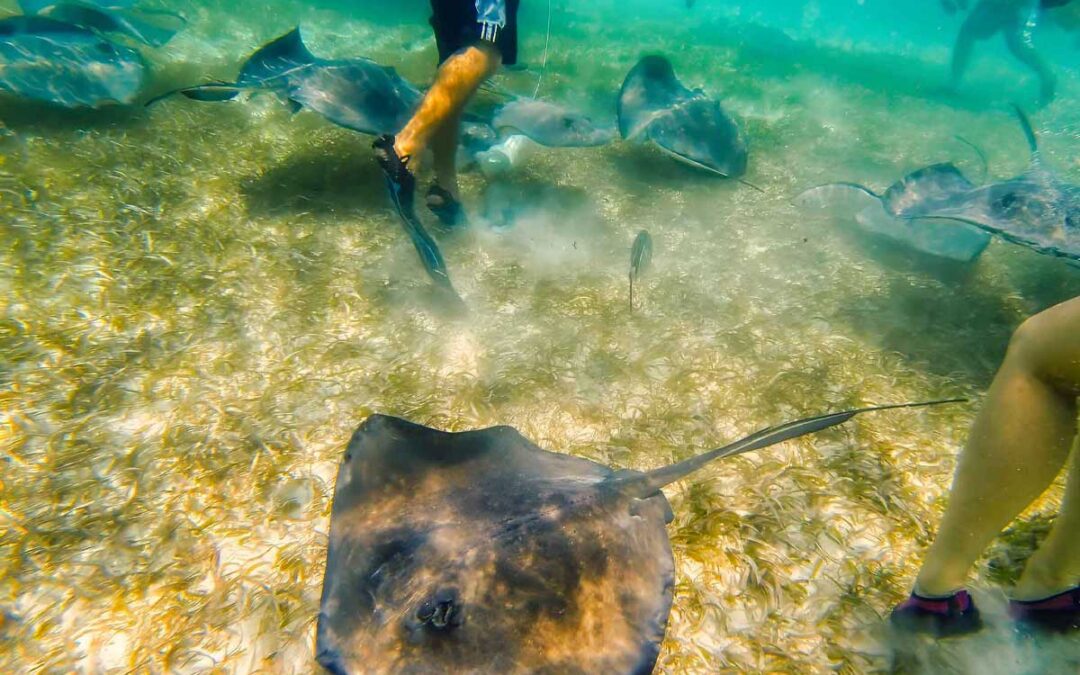
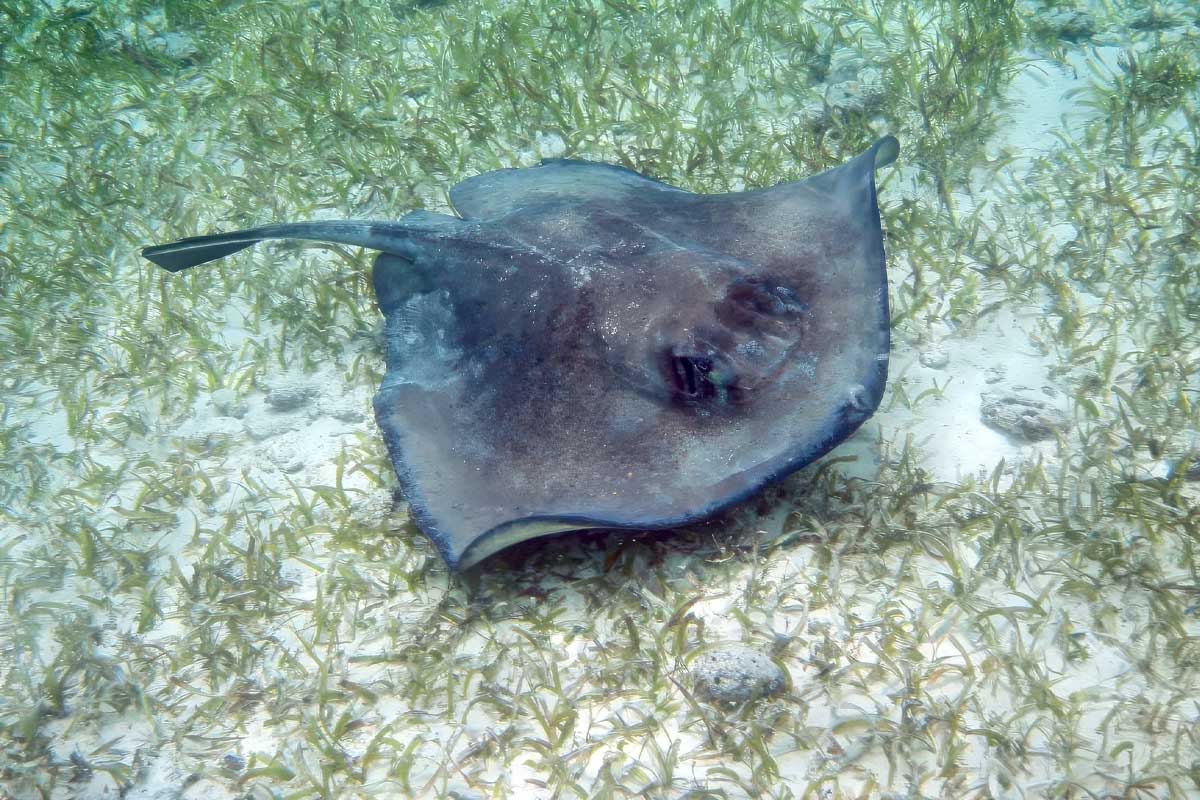
Around Ambergris, you're basically guaranteed a busy fish scene and the kind of encounters that make first-timers fall in love with the sea. Expect schools of snapper, angelfish, parrotfish, barracuda hanging back, and rays cruising like they own the place.

Turneffe can add that extra spice: eagle rays, bigger silhouettes at the edge of visibility, more "wait, what was that?" moments. The atoll's mangrove and lagoon habitats also matter for wildlife, including manatees, and the Oceanic Society's notes on Turneffe habitat do a good job connecting the dots between mangroves, protection, and why you might spot certain species there.

Shark and nurse shark odds

If you want high odds of a nurse shark encounter without feeling like you're gambling your vacation, Ambergris wins. Shark Ray Alley is basically the headline act, with typical depths staying snorkel-friendly; even budget-focused writeups track it around that shallow range, like the Shark Ray Alley depth notes you'll see online.

Turneffe can absolutely produce sharks, including reef sharks and occasional bigger moments, but it's less "guaranteed theatre" and more "real ocean, real variables." Also, currents and depth changes mean your guide matters more than your luck.

Choose the best base for your style.

You can force any base to work. You can also pick the one that matches how you travel, and stop making your life hard for sport.

If you want the blunt version:

  1. If you want easy logistics and you like options, you stay on Ambergris Caye and treat Turneffe as a special day trip.
  2. If you want remote and you're cool with long boat rides, you plan around Turneffe Atoll and accept you're not "popping back" for a late lunch reservation.
  3. If you want to split the difference, you do a few days in San Pedro, then shift your itinerary to an atoll-focused stretch, or even swing through Caye Caulker for the "go slow" reset.

Easy-going and social

Ambergris, specifically San Pedro, is built for people who want the reef plus a town. More accommodations, more dive shops, more restaurant choices, more chances to meet people without trying. You can do a quick snorkel, then roll into a bar, then decide last-minute to book another trip tomorrow because you heard somebody at dinner talking about a good guide.

If you want the chill version of social, Caye Caulker is the classic move: fewer vehicles, more bikes, more hammock culture. You can still run snorkel day trips from there, and the vibe stays mellow.

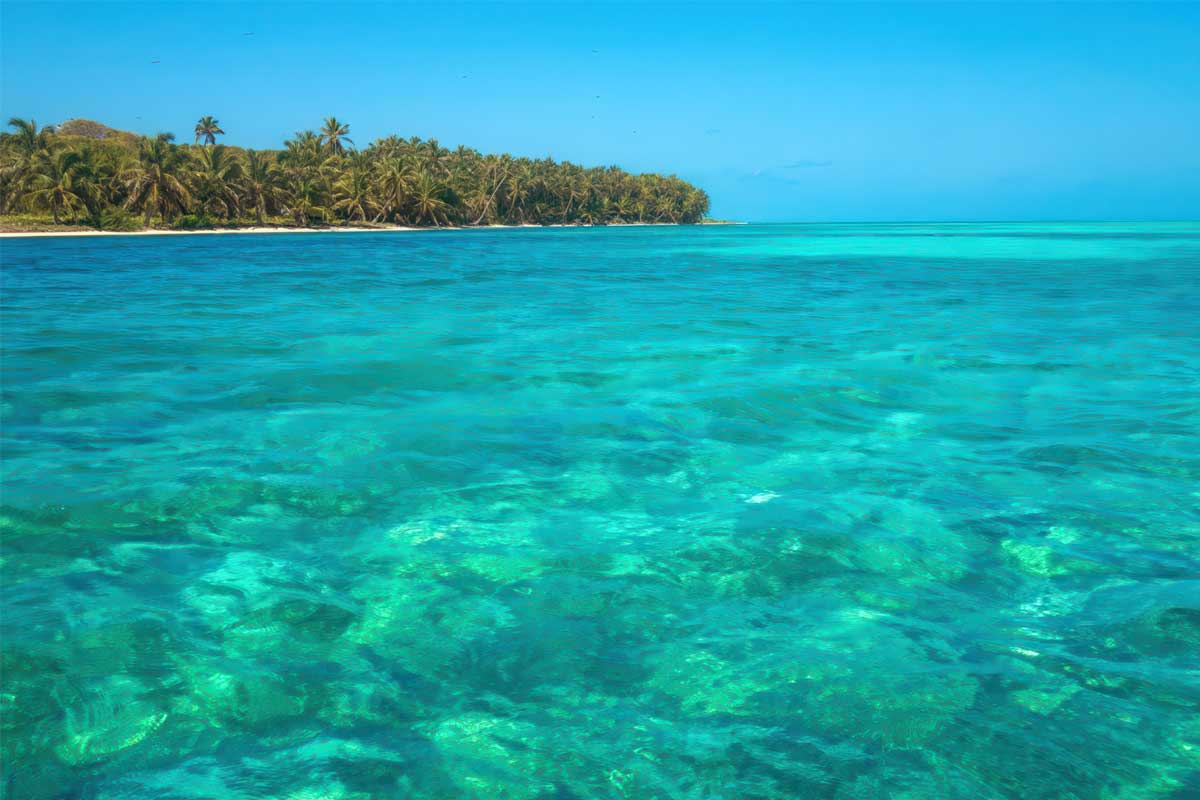
View of Turneffe Atoll snorkeling trips featuring tropical island vegetation and turquoise Caribbean waters

Adventure and remote

Turneffe is for people who don't get itchy when a plan involves open water, weather calls, and committing your whole day to the sea. It feels more like an "expedition," even when it's comfortable. If your dream is pristine, fewer crowds, and maybe a bigger pelagic surprise, this is where you point your compass.

Just keep your expectations honest. Some Turneffe areas are more rewarding for diving than for casual surface snorkeling. If you're chasing pure snorkel magic, you might actually prefer to put that long-boat energy toward Lighthouse Reef atoll instead.

Food, bars, and downtime

Ambergris is the foodie-friendlier choice, no contest. More range, more nightlife, more "let's go find dessert" energy. It's easier to treat snorkeling as part of a larger Belize itinerary that includes beach time, a little shopping, and late nights.

Turneffe is not where you go for bar-hopping. It's where you go to fall asleep early because the sea drained you, and tomorrow you're doing it again.

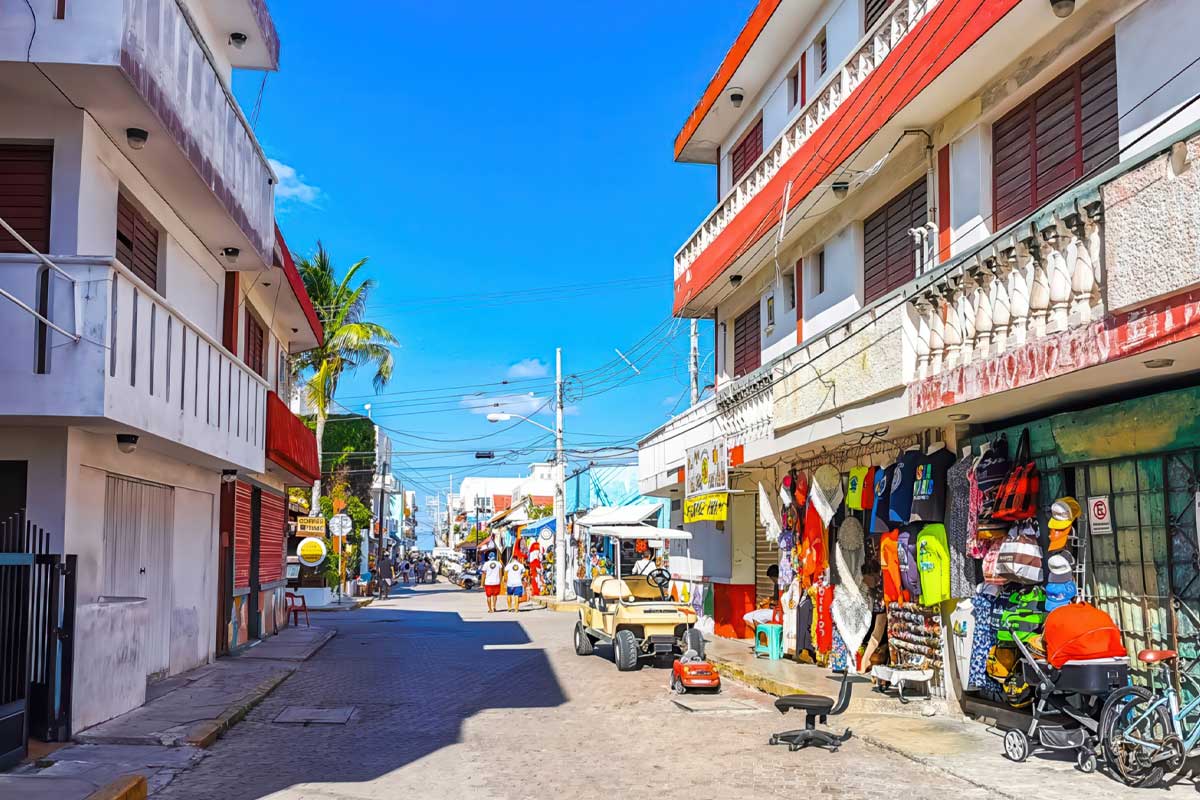
San Pedro street scene during Ambergris Caye snorkeling trips in Belize

Plan a San Pedro reef day.

If you're based in town, you're basically building your day around short rides, predictable schedules, and easy access to reserves.

Typical sites and depth

Most classic Ambergris snorkel sites are comfortably shallow, with patch reefs, sand channels, and coral gardens that let you float without feeling like you're hovering over an abyss. Hol Chan has that channel structure that concentrates fish, and Shark Ray Alley delivers the headline wildlife.

Half-day, full-day, night

A lot of people overthink this. If you're already doing mainland adventures or you're juggling beach time, a half-day snorkel is perfect. If you want to stack multiple snorkel stops, do a full-day and add a patch reef like Mexico Rocks so it's not all "big wildlife, big crowd" energy.

Night snorkeling exists in Belize, but availability and conditions vary hard by operator and season, so you treat it as a bonus, not a guarantee.

Costs and inclusions

On Ambergris, a typical snorkel tour price can feel reasonable because the distances are short. You're often paying for guide time, fuel, gear, and marine reserve fees. The Hol Chan entrance fee is commonly quoted at $15 USD (about $30 BZD), and some days your "quick booking" plus fees lands in that annoying zone where a simple outing turns into a $40 park kind of decision once you add rentals, taxes, or extra stops.

If you want a quick way to scan reputable operator options and the broader site network, the local-style rundowns like the Belize Pro Dive Center site guide can help you understand what's near and what's worth your time.

Plan a Turneffe snorkel day.

Turneffe day trips are not casual errands. You're leaving early, you're committing, and you're coming back sun-drunk.

Best areas for snorkelers

Turneffe has gorgeous areas, but the "best" depends on conditions and your comfort level. Some sites shine because the shallow structure is friendly. Others shine because they're near dramatic drops, which is thrilling even from the surface, but it can also mean current.

If you're the type who likes to line up logistics before you land, the Turneffe Marine Reserve booking guidance is a good window into what kinds of tours run and what "a day out" usually means.

Sea turtle swimming during Ambergris Caye snorkeling trips in Belize

Currents, depth, and safety

Currents are the whole story offshore. The famous Turneffe areas that divers love, including topographies like The Elbow, can come with serious movement in the water column, and that's why diver-focused maps talk so much about it, like the Belize Pro Dive Center notes on atoll marine life and topography.

You don't need to be scared of the current. You need to respect it. A good guide will read the tide, pick the right side, keep the group tight, and call it if it's not safe. If an operator treats safety briefings casually, you act casually about giving them your money.

Costs, transfers, and charters

Turneffe costs more because it's further. More fuel, more time, fewer "quick turnover" runs. Private charters can get pricey fast, but they're also the best way to control group size and pace.

If you're looking at a private boat day and you want a sense of how charter logistics work, companies that specialize in that style, like Elite Adventures Belize, make it easier to picture what you're actually booking.

Pick a reputable tour operator.r

A pretty boat and a friendly Instagram page don't mean you're in good hands. Belize has excellent operators. Belize also has plenty of "we'll figure it out when we reach" energy, and offshore is not where you gamble.

If you want the insider move when you're stitching together a bigger itinerary, this is where a destination manager like Authentic Travel Belize earns their keep, because you're not just buying a boat ride, you're buying coordination across weather windows, marine park rules, and your own travel style so you're not wasting your best reef day on a sketchy setup.

Licenses and marine park rules

Hol Chan is a managed marine reserve with fees and regulations in place. Turneffe is a marine reserve with zoning, enforcement, and national oversight tied into Belize's fisheries framework, and you can see the serious side of that in the Belize Fisheries Department's Turneffe reserve overview. Your operator should collect the right fees, follow mooring rules, and brief you on no-touch, no-stand, no-chase behavior.

Group size and guide ratio

Group size changes everything. Big groups feel social, but they also feel chaotic in the water. Smaller groups get more wildlife spotting, calmer pacing, and better safety oversight. Ask how many snorkelers per guide. If they dodge the question, that's an answer.

A quick operator sniff-test you can actually use:

  1. Ask what their maximum group size is on that specific boat.
  2. Ask if they carry oxygen and a proper first-aid kit.
  3. Ask how they choose sites when the wind picks up.

Gear, brief, and safety kit

A reputable tour has decent masks that seal, fins that fit, and a guide who checks before you jump. They should give a real briefing, not a mumbled: "Stay close." They should talk about current boat traffic, entry and exit, and what to do if you get separated.

Also, reef-safe sunscreen. Not because it's trendy, but because you're literally swimming over living coral.

Conclusion

If you want your snorkeling to be easy to slot into a bigger Belize trip with beaches, food, and a little nightlife, you pick Ambergris, and you don't apologize for it. If you want that remote, salt-in-your-hair day where the atoll feels like the main event, you plan Turneffe properly, watch the weather, and choose an operator who respects the ocean more than they respect the schedule.

And if you're still torn, that's your answer too. Split it. Do a few days with the San Pedro convenience, then earn your atoll day like a reward. Belize has room for both kinds of travelers. You need to be honest about which one you are.

Frequently Asked Questions

Is Ambergris Caye or Turneffe Atoll better for beginners?
Ambergris is usually better for beginners because it offers calmer, shallower sites and shorter boat rides.
How long does it take to reach Turneffe Atoll from Ambergris?

Commonly 1 to 2 hours by boat each way, depending on conditions and departure point.

What marine life is most "guaranteed" near San Pedro?

Hol Chan and Shark Ray Alley are famous for high odds of nurse sharks, rays, and dense reef fish.

Do you need a visa to visit Belize?

Many travelers enter with a valid passport and onward ticket; visa requirements depend on your nationality, so check before you fly.


What currency should you carry?

Belize dollars (BZD) and USD both circulate; the common rate is $1 USD = $2 BZD.